
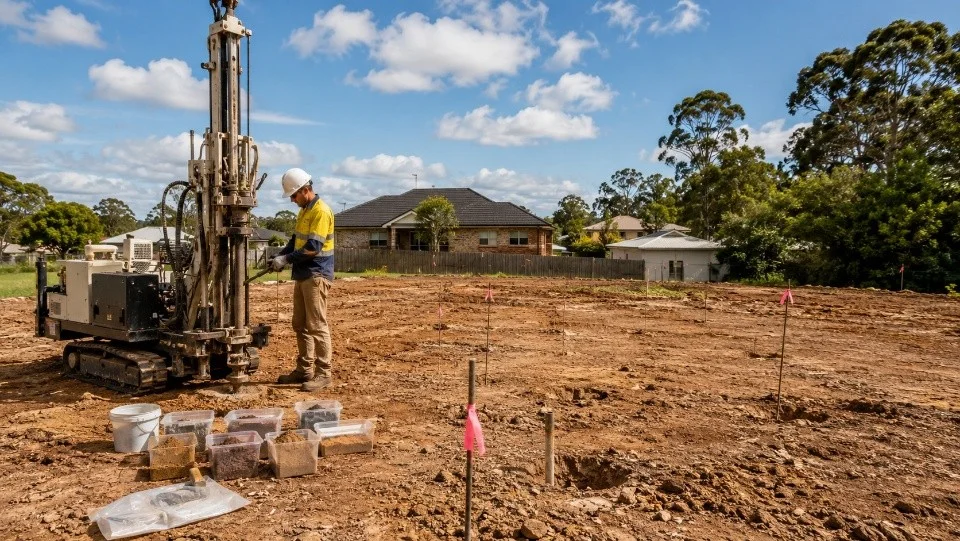
Building a new home is exciting, but one step decides how safe and strong your house will be for years to come. That step is Soil Testing Brisbane. Skipping it, or doing it wrong, can lead to cracked walls, uneven floors, and expensive repairs later.
This guide gives you a simple, easy-to-follow checklist so home builders in Brisbane know exactly what to check before laying the foundation.
Why Soil Testing Matters Before You Build
Brisbane has a mix of reactive clay soils, sandy patches, and rocky ground. Every suburb is different. Without proper testing, builders are basically guessing how the ground will behave.
A good Residential Soil Testing Brisbane report tells you:
- How much the soil expands and shrinks with moisture
- The soil classification (like Class A, M, H1, H2, E, or P)
- Load-bearing capacity of the ground
- Drainage behaviour and water table depth
This information decides your slab design, footing depth, and even your construction budget.
The Ultimate Soil Testing Checklist for Home Builders
Here is a simple Soil Testing Checklist for Home Builders you can follow before starting any residential project.
1. Book the Test Early
Don’t wait until the design stage is finished. Schedule your Pre-Construction Soil Testing Brisbane as soon as you finalise the land purchase. This helps architects design footings that match the actual soil, not assumptions.
2. Choose a Licensed Geotechnical Engineer
Always hire a qualified and experienced testing company. A licensed engineer follows Australian Standards (AS 2870) and gives you a report that councils and builders accept without delay.
3. Confirm the Number of Bore Holes
For most residential blocks, 2 to 4 bore holes are tested at different points on the land. Larger or sloped blocks may need more. Ask your provider how many test points are included in the price.
4. Check the Soil Classification Report
Your report should clearly mention the soil class. This single detail affects:
- Slab type (waffle pod, raft, or strip footing)
- Reinforcement steel requirements
- Overall foundation cost
5. Review Site Drainage and Moisture Levels
Poor drainage is one of the biggest reasons for slab movement. Make sure the test includes moisture content and natural drainage patterns of the site.
6. Ask About Reactive Clay Levels
Brisbane is known for reactive clay in many suburbs. If your Soil Test for New Home Construction Brisbane shows high reactivity, your builder will need deeper footings or extra reinforcement.
7. Get the Report Before Finalising House Design
Never finalise your house plan before receiving the soil report. Changing footing design after construction drawings are done costs more time and money.
8. Check Turnaround Time
Most soil tests take 3 to 7 working days depending on site access and weather. Confirm this timeline so it doesn’t delay your building approval.
9. Keep a Copy for Council Approval
Your local council and certifier will need this report for building approval. Keep both digital and printed copies handy throughout the project.
10. Re-Test if Site Conditions Change
If there’s heavy rain, excavation, or a long gap between testing and construction, consider a quick re-check. Soil conditions can shift, especially in clay-heavy zones.
Benefits of Following This Checklist
- Avoids future cracks and structural damage
- Saves money on unnecessary over-engineering
- Speeds up council and certifier approval
- Gives peace of mind before construction begins
- Helps builders quote accurately from day one
Soil Testing Brisbane is not just a formality, it’s the foundation of your entire home, quite literally. Following this checklist helps home builders avoid delays, disputes, and costly repairs down the line. Whether you’re building your first home or managing multiple projects, proper Pre-Construction Soil Testing Brisbane protects your investment from the ground up.
For accurate, council-approved soil testing services.
Usually 3 to 7 working days, depending on site access and weather conditions.
Yes, most councils require a soil report before approving building plans.
Cost depends on block size and bore holes, but it’s a small expense compared to foundation repairs later.
Many areas have reactive clay, often classified as Class M or H, requiring stronger footings.
No, soil conditions change over time, so a fresh report is recommended before construction starts.