
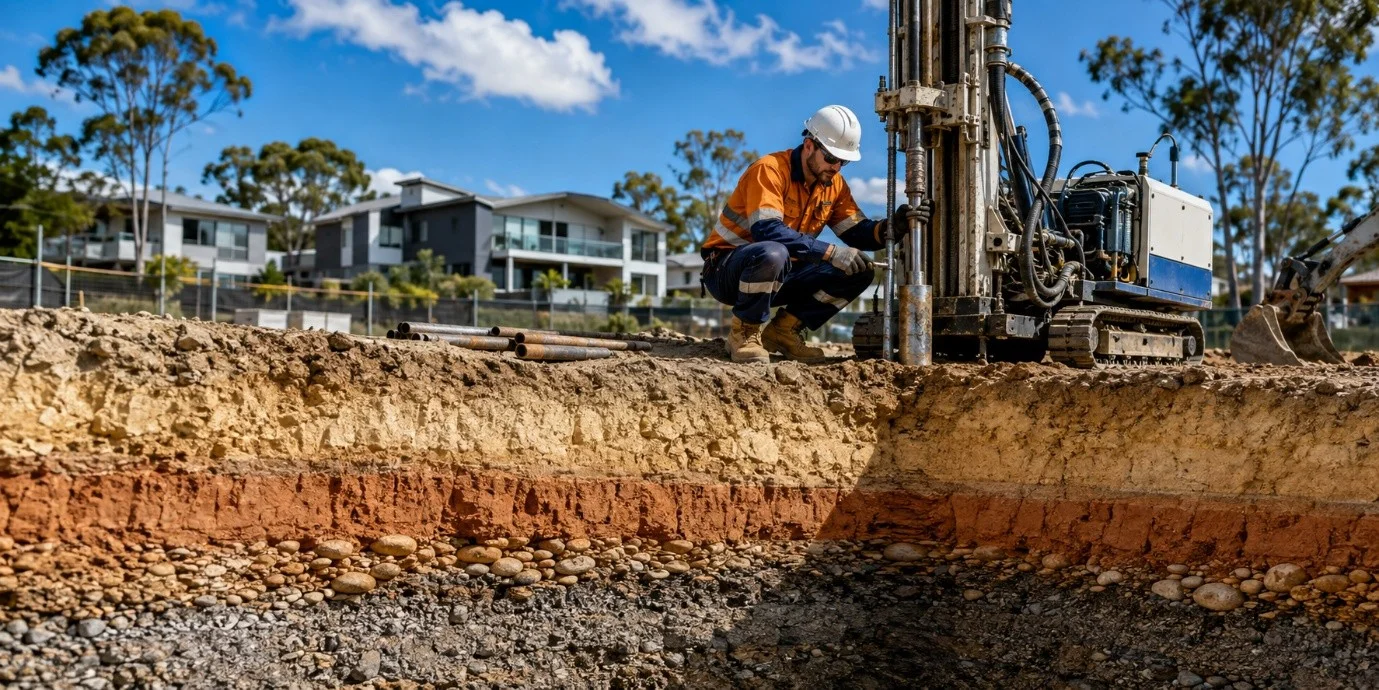
Before starting any construction project, it is important to understand what is beneath the surface. Soil Testing Brisbane provides valuable information about the condition, composition and strength of the ground on your property. While a site may look stable from the surface, the soil underneath can contain different layers, moisture conditions or other characteristics that may affect construction.
A professional soil assessment helps builders, engineers and property owners make informed decisions before construction begins. It can identify potential ground conditions early and provide information needed to design a suitable foundation.
Why Is Soil Testing Important Before Construction?
Every block of land is different. Two properties located only a short distance apart can have completely different soil conditions. Factors such as previous land use, drainage, natural geology and filling can influence what is found beneath the surface.
Soil testing for construction helps determine whether the ground is suitable for the proposed structure. The results can help engineers understand how the soil may behave when a building places additional weight on it.
Without adequate information about the ground, unexpected soil conditions may lead to changes during construction. These changes can increase costs, delay the project and create unnecessary complications.
What Can Soil Testing Brisbane Reveal?
A professional soil investigation can provide several important insights about your property.
1. Soil Composition
One of the first things a soil test can reveal is what type of material exists beneath the site. Depending on the location, the ground may contain clay, sand, silt, gravel, rock or a combination of different materials.
Understanding soil composition helps professionals assess how the ground is likely to respond to construction and environmental changes.
2. Soil Strength
The strength of the ground is an important consideration when designing foundations. Soil that can support loads effectively may require a different foundation approach from weaker or highly reactive soil.
Testing can provide information about soil bearing capacity, helping engineers select an appropriate foundation design for the planned structure.
3. Soil Classification
Soil classification provides a standard way of describing the characteristics and expected behaviour of soil at a building site.
A soil classification Brisbane assessment can help identify characteristics such as soil reactivity and other conditions that may influence foundation movement.
This information is particularly useful for residential construction because foundation designs need to account for how the ground may respond over time.
4. Moisture Conditions
Water can significantly influence soil behaviour. Some soils can change their volume as moisture levels increase or decrease.
A professional site soil assessment can provide information about moisture-related conditions that may need to be considered during the planning and construction process.
Drainage, groundwater and surface water can also influence site conditions, making moisture assessment an important part of understanding the ground.
5. Ground Conditions and Soil Layers
Soil is not always consistent from the surface to deeper levels. A site may contain several layers, with each layer having different characteristics.
Geotechnical soil testing Brisbane can help identify variations between these layers. Engineers can then use the findings when assessing foundation requirements and other aspects of structural design.
Can Soil Testing Identify Potential Building Risks?
Yes, soil testing can help identify ground conditions that could create challenges for construction.
Potential concerns may include highly reactive soils, uncontrolled fill, variable ground conditions, poor drainage or low-strength materials. Identifying these conditions before construction gives the project team an opportunity to plan appropriately.
For example, if testing identifies soil with significant movement potential, an engineer can consider this information when developing the foundation design.
The goal is not simply to find problems. A good soil investigation Brisbane process provides useful information that allows the construction team to work with the actual conditions of the site.
What Is Included in a Soil Report Brisbane?
After testing and assessment, the findings are generally presented in a report. A soil report Brisbane may contain information about the tested soil, site conditions, classification and recommendations relevant to the proposed construction.
The exact contents depend on the type of investigation and project requirements.
For homeowners, the report can provide a clearer understanding of the land. For builders and engineers, it can provide technical information that supports decisions about foundation and construction requirements.
Why Is Soil Testing Useful for Homeowners?
You do not need to be a construction professional to benefit from understanding your soil.
If you are planning to build a new home, extension, retaining wall or another structure, knowing the ground conditions can help you prepare for the project.
A building soil test Brisbane service can provide information that may be needed by engineers and other construction professionals before finalising designs.
It can also help property owners avoid making decisions based only on what can be seen at ground level. Soil conditions are hidden, so testing provides evidence about what is actually beneath the site.
When Should You Arrange Soil Testing?
Ideally, soil testing should be arranged during the planning stage, before construction work begins.
Early testing gives engineers and builders time to review the findings and account for the site conditions in the project design. Waiting until construction is underway may make it more difficult and expensive to respond to unexpected ground conditions.
For new residential construction, arranging foundation soil testing early can be an important step toward understanding what the proposed building will be constructed on.
How Does Soil Testing Support Better Construction Decisions?
Good construction starts with good information. Soil testing provides data that can help engineers make decisions based on the actual conditions of the site rather than assumptions.
The findings may influence foundation selection, site preparation, drainage considerations and other engineering decisions.
This can make the planning process more predictable and reduce the likelihood of surprises caused by unknown ground conditions.
It is also important to remember that soil testing does not replace professional engineering design. Instead, the results provide essential ground information that engineers can use as part of the broader design process.
Choose Professional Soil Testing for Your Brisbane Property
Every property has its own ground conditions, and those conditions can have a major influence on construction. From soil composition and strength to moisture and classification, testing can reveal information that cannot be determined simply by looking at the surface.
Whether you are planning a new home or another construction project Soil Testing Brisbane can give you a clearer understanding of your land and help your project team make informed decisions from the beginning.
Soil testing can reveal soil type, strength, classification, moisture conditions and other ground characteristics relevant to construction.
Yes, soil testing provides important ground information that can help engineers design suitable foundations for a building.
A soil report Brisbane document summarises relevant soil and site findings from the investigation and testing process.
Yes, testing can help identify soil characteristics such as reactivity that may influence foundation design.
Soil testing is best completed during the planning stage, before construction and foundation design are finalised.


