
Soil Failure

How Soil Testing in Logan Helps Prevent Foundation Failures

Building a home or commercial property is one of the biggest investments you’ll ever make. But what if the ground beneath your dream project isn’t as stable as you think? In Logan, where soil conditions vary dramatically across different areas, skipping Soil Testing Logan services could cost you hundreds of thousands in repairs down the line.

Foundation failures don’t happen overnight. They’re the result of soil conditions that were never properly assessed before construction began. Let’s look at how proper testing protects your investment.

Why Logan’s Soil Needs Special Attention

Logan’s landscape includes everything from clay-rich soils to sandy patches and areas with high moisture levels. Each soil type reacts differently to building loads, weather changes, and water movement.

Clay soils, common in many Logan suburbs, expand when wet and shrink when dry. This movement creates pressure on foundations, leading to cracks, uneven floors, and structural damage. Without Geotechnical Testing Logan experts conducting proper analysis, you won’t know what you’re dealing with until problems appear.

What Happens During Professional Soil Testing

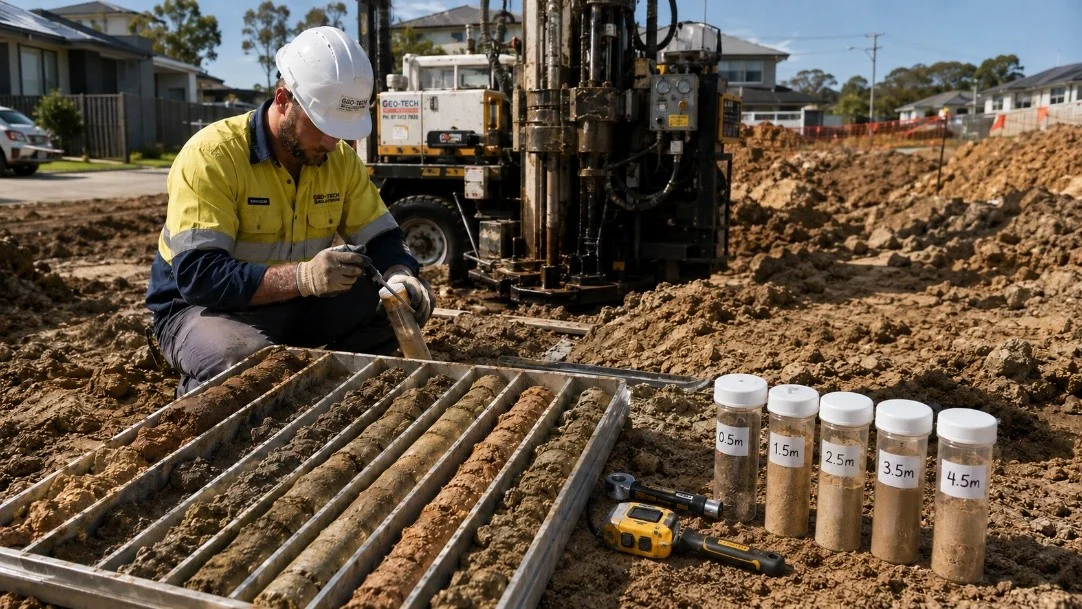
When you arrange a Soil Test for Construction Logan, qualified geotechnical engineers visit your site to collect samples and run specific tests. Here’s what they check:

Soil Composition Analysis Engineers determine the exact makeup of your soil – whether it’s clay, sand, silt, or a mixture. This tells them how the soil will behave under different conditions.

Bearing Capacity Testing These measures how much weight your soil can support. If your soil has low bearing capacity, your foundation design needs to compensate, or you’ll face settling and cracking issues.

Moisture Content Assessment High moisture levels weaken soil and cause expansion. Testing reveals current moisture levels and helps predict seasonal changes that could affect your foundation.

Soil Classification Different soil types require different foundation solutions. Proper classification ensures your builder uses the right approach from day one.

Real Problems That Soil Testing Prevents

The consequences of skipping Foundation Soil Testing Logan services go beyond minor cosmetic issues. Here are real problems that proper testing helps you avoid:

Differential Settlement When different parts of your building settle at different rates, you get cracked walls, stuck doors, and gaps around windows. This happens when soil conditions vary across your site and weren’t properly mapped.

Foundation Cracking Reactive clay soils put enormous pressure on concrete foundations. Without knowing your soil type, your foundation might not have adequate reinforcement to handle the stress.

Moisture Infiltration Poor drainage combined with unsuitable soil creates damp problems inside your home. Water seeps through foundation cracks, leading to mould, rot, and structural deterioration.

Costly Repairs Foundation repairs typically cost between $10,000 and $50,000, sometimes more. Compare that to the $1,500-$3,000 investment in proper soil testing before construction.

How Testing Results Shape Your Foundation Design

Once Residential Soil Testing Logan professionals complete their analysis, they provide a geotechnical report. This document guides your builder and engineer in several critical ways:

Your foundation depth gets determined by soil conditions. Unstable surface soils might require deeper footings to reach stable ground. The report specifies the minimum depth needed for your specific site.

Reinforcement requirements change based on soil reactivity. Highly reactive clay sites need additional steel reinforcement in the concrete to prevent cracking as the soil moves.

Drainage solutions get designed around your soil’s water-holding characteristics. Sandy soils drain naturally, but clay-rich sites need proper drainage systems to prevent water buildup.

Site preparation recommendations ensure the building pad is properly prepared. This might include removing unsuitable soil, compacting fill material, or treating reactive clays.

The Testing Process Timeline

Understanding what to expect helps you plan your construction schedule properly. Here’s how Soil Testing Logan typically unfolds:

Site Visit and Sampling (1 Day) Technicians visit your property to drill boreholes and collect soil samples from different depths and locations across your site.

Laboratory Analysis (3-7 Days) Samples go to accredited laboratories where they undergo various tests to determine composition, strength, and behavior characteristics.

Report Preparation (3-5 Days) Geotechnical engineers analyze the data and prepare a comprehensive report with recommendations for your foundation design.

Engineering Review (Ongoing) Your structural engineer uses this report to design foundations that match your soil conditions exactly.

When to Arrange Soil Testing

Timing matters when it comes to Geotechnical Testing Logan services. The best time to test is after you’ve purchased your land but before you finalize building plans.

Testing before purchasing land gives you negotiating power if serious soil issues appear. However, most people test after purchase, which is still valuable for proper foundation design.

Never start construction without current soil test results. Even if previous testing was done years ago, soil conditions can change due to weather, land use changes, or nearby development.

Choosing the Right Testing Provider

Not all soil testing services offer the same quality. When selecting a provider for Foundation Soil Testing Logan, look for these credentials:

The company should employ qualified geotechnical engineers, not just technicians. Engineers interpret results and provide design recommendations that technicians can’t offer.

Check for NATA accreditation in their laboratory. This ensures testing follows Australian standards and results are reliable.

Ask about experience with local Logan soils. Providers familiar with the area understand regional soil patterns and common issues.

Request sample reports to see how clearly, they communicate findings. A good report should be understandable, not just full of technical jargon.

Investment vs. Risk

Spending money on testing before you’ve built anything feels counterintuitive. You want to see progress, not pay for paperwork. But consider the math:

Soil Testing Logan costs: $1,500 – $3,000 Foundation repair costs: $10,000 – $50,000+ The difference: $8,500 – $47,000+ saved

Plus, you avoid the stress, time loss, and property value reduction that comes with foundation problems. Homes with foundation issues can lose 10-15% of their market value.

Taking Action

If you’re planning any construction project in Logan, make Soil Testing Logan your first step, not an afterthought. Contact qualified geotechnical testing providers, get quotes, and schedule testing before your builder breaks ground.

Your foundation literally supports everything above it. Getting the soil conditions right from the start means your investment stays protected for decades to come.

Typical Soil Testing Logan services cost between $1,500 and $3,000 depending on site size and complexity.

Most soil testing projects take 1-2 weeks from the initial site visit to receiving your detailed report.

If your renovation adds significant weight or includes new foundations, Foundation Soil Testing Logan is recommended.

Results older than 2-3 years should be updated as soil conditions can change over time.

Geotechnical Testing Logan experts provide solutions like deeper footings, soil treatment, or alternative foundation designs to handle poor conditions.

Soil Failure

Soil Testing Gold Coast: Preparing Your Land for Construction

Building on the Gold Coast comes with unique challenges. The region’s diverse soil types—from coastal sands to reactive clays—can make or break your construction project. Before you lay a single brick, Soil Testing Gold Coast services give you the foundation knowledge you need.

This guide walks you through why soil testing matters, what happens during testing, and how it saves you money in the long run.

Why Soil Testing Matters for Gold Coast Properties

The Gold Coast sits on varied terrain. Your building site might have sandy soil near the coast, clay soils inland, or fill material from previous development. Each type behaves differently under load and moisture.

Without proper testing, you risk:

  • Foundation failure – Weak soil can’t support your structure
  • Costly repairs – Fixing foundation issues after construction is expensive
  • Building delays – Council won’t approve plans without soil reports
  • Safety hazards – Unstable ground puts occupants at risk

Geotechnical Soil Testing Gold Coast professionals identify these risks before construction starts. They analyse soil composition, bearing capacity, and how the ground will react to your building’s weight.

What Happens During Site Soil Investigation

When you book Site Soil Investigation Gold Coast services, technicians visit your property to collect samples and run tests. Here’s the typical process:

Step 1: Site Assessment Engineers walk your land, noting slopes, drainage, vegetation, and any existing structures. They check council records for past land use and geological maps.

Step 2: Soil Sampling Teams drill boreholes or dig test pits at strategic points across your site. Sample depth depends on your building type—shallow for single-story homes, deeper for multi-level structures.

Step 3: Laboratory Analysis Collected samples go to labs for detailed testing. Soil Analysis Gold Coast labs check:

  • Soil classification – Is it clay, sand, silt, or mixed?
  • Moisture content – How much water does the soil hold?
  • Bearing capacity – What weight can the soil support per square meter?
  • Reactivity – Will the soil expand or shrink with moisture changes?


Step 4: Engineering Report You receive a comprehensive report with test results, soil profiles, and foundation recommendations. This document is essential for your engineer and building certifier.

Types of Soil Tests You Might Need

Not all projects need the same tests. Your requirements depend on building size, soil conditions, and council regulations.

Standard Soil Tests:

  • Classification tests – Basic soil type identification
  • Compaction tests – Checking soil density for driveways and slabs
  • Percolation tests – Measuring drainage for septic systems

Advanced Testing:

  • Shear strength tests – For slopes or retaining walls
  • Chemical analysis – Detecting contaminants or corrosive elements
  • Consolidation tests – Predicting long-term settlement

Most residential projects on the Gold Coast need at least basic classification and bearing capacity tests. Commercial developments require more comprehensive Geotechnical Soil Testing Gold Coast services.

How Soil Testing Saves You Money

The upfront cost of Soil Testing Gold Coast services pays for itself many times over:

Accurate Foundation Design Your engineer designs foundations based on actual soil conditions, not guesswork. This prevents over-engineering (wasting money on unnecessary reinforcement) and under-engineering (risking structural failure).

Avoid Surprise Costs Finding poor soil after construction starts means expensive fixes. Early testing lets you address issues during the planning phase when solutions are cheaper.

Faster Approvals Council and certifiers need soil reports before issuing permits. Having professional test results ready speeds up the approval process.

Insurance Protection Some insurers require soil testing documentation. Proper testing can also lower premiums by demonstrating risk management.

Gold Coast Soil Challenges to Watch For

The region has specific soil issues that testing can identify:

Reactive Clay Soils Common in western Gold Coast suburbs, these clays expand when wet and shrink when dry. This movement cracks foundations without proper design. Site Soil Investigation Gold Coast teams test for reactivity and recommend appropriate footings.

Sandy Coastal Soils Beachside properties often have loose sandy soil with poor bearing capacity. Testing determines if you need deeper piles or ground improvement.

Fill Material Many Gold Coast sites have been filled or leveled. Fill can settle unevenly or contain unsuitable materials. Soil testing checks fill quality and compaction.

High Water Tables Low-lying areas may have groundwater close to the surface. This affects drainage design and basement construction. Testing reveals water table depth and seasonal variations.

Choosing the Right Soil Testing Service

Look for these qualities in a Soil Testing Gold Coast provider:

  • NATA accreditation – Ensures testing meets Australian standards
  • Local experience – Familiarity with Gold Coast soil conditions
  • Fast turnaround – Reports delivered within your project timeline
  • Clear communication – Easy-to-understand results and recommendations
  • Competitive pricing – Transparent quotes with no hidden fees

Professional services include site visits, lab testing, engineering analysis, and detailed reports. Some companies offer package deals for residential projects.

When to Schedule Your Soil Testing

Timing matters for smooth project flow:

Before Purchasing Land If you’re buying a block, consider soil testing during the due diligence period. Poor soil conditions might affect the property value or your building plans.

During Planning Phase Schedule testing as soon as you decide to build. Engineers need soil reports to design foundations and get permits.

After Site Changes If you add fill, excavate, or significantly alter the land, new testing ensures the ground still meets requirements.

Most Soil Analysis Gold Coast projects take 1-2 weeks from site visit to final report, so plan accordingly.

What Your Soil Report Should Include

A professional report contains:

  • Site location and testing dates
  • Borehole or test pit locations
  • Soil profile diagrams showing layers
  • Laboratory test results
  • Bearing capacity values
  • Foundation recommendations
  • Special considerations (drainage, reactivity, etc.)

Keep this report safe—you’ll need it for permits, engineers, builders, and future property sales.

Soil Testing Gold Coast isn’t just a regulatory checkbox. It’s the foundation of successful construction. Understanding your soil before building protects your investment, ensures safety, and prevents expensive surprises.

Whether you’re planning a home extension, new house, or commercial development, professional soil testing gives you confidence in your foundation design. The small upfront investment in proper Geotechnical Soil Testing Gold Coast services delivers peace of mind that lasts the lifetime of your building.

Ready to start your project, right? Contact qualified soil testing professionals who know the Gold Coast’s unique ground conditions.

Basic residential soil testing typically ranges from $800-$2,000 depending on site size and test depth required.

Most soil testing projects take 1-2 weeks from the initial site visit to receiving your detailed report.

Yes, council regulations require soil reports for building permits on the Gold Coast to ensure safe foundation design.

Engineers will recommend foundation solutions like deeper footings, piles, or ground improvement to suit the soil conditions.

Even small structures benefit from basic soil testing, though requirements vary—check with your local council for specific regulations.