
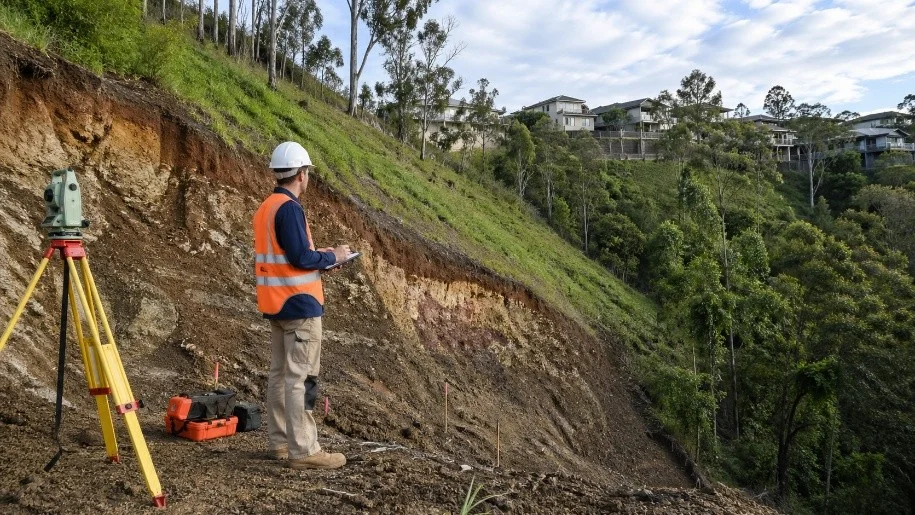
Brisbane’s beautiful hills and elevated terrain come with hidden risks that many property owners don’t realize until it’s too late. One heavy downpour, and what looked like solid ground can shift dramatically, causing thousands in damage. If your property sits on any kind of slope, getting a Slope Stability Assessment in Brisbane isn’t just smart—it’s essential.
Why Brisbane Properties Face Slope Stability Issues
Let’s face it: Brisbane isn’t exactly flat. Our city’s built across hills, ridges, and valleys. Add in our intense summer storms and you’ve got the perfect recipe for soil failure and landslides.
The suburbs around Mount Coot-tha, The Gap, Paddington, and even parts of Holland Park sit on slopes that look stable but can move when conditions change. Heavy rain saturates the soil, tree roots that once held everything together decay, or new construction nearby shifts the balance.
That’s where geotechnical assessment comes in. Professional engineers can spot problems before they turn into disasters.
What Actually Happens During a Slope Stability Assessment?
Think of it as a health check for your land. Engineers don’t just walk around and take notes—they dig deep (literally) to understand what’s happening beneath the surface.
First, they examine your property’s slope angles, drainage patterns, and any visible signs of movement. Are there cracks in your driveway? Is that retaining wall leaning slightly? These details matter.
Next comes Soil Stability Testing in Brisbane. They collect samples from different depths and locations, then analyse them in labs. They’re looking at soil type, moisture content, density, and how well the layers bind together.
Then they crunch the numbers. Using specialized software, they calculate stability factors based on your soil data, slope angles, and Brisbane’s rainfall patterns. This tells them exactly how much risk you’re facing.
Signs Your Property Needs Assessment Right Now
You don’t need to be a geotechnical expert to spot trouble. Here’s what should trigger alarm bells:
Cracks appearing in your home’s walls or foundation that weren’t there before. Doors suddenly sticking when they used to swing freely. That fence post slowly tilting downhill. Water pooling in weird spots after it rains.
If you’ve noticed soil slumping on your property, trees leaning at odd angles, or your neighbour’s construction shaking your foundations, don’t wait. Book a Slope Stability Assessment in Brisbane immediately.
Ground movement testing in Brisbane catches these issues early when they’re fixable, not after your retaining wall has collapsed or worse part of your house has shifted.
The Real Cost of Ignoring Slope Problems
Here’s something most people don’t think about: slope failure doesn’t just damage your property. It can affect your neighbour’s too, which means potential legal headaches on top of repair bills.
A mate of mine ignored small cracks in his Bardon property’s retaining wall. “It’s been there for years,” he said. Then we got that massive storm last February. His entire backyard slid downhill, took out his neighbour’s fence, and damaged their pool. The repair bill? Over $80,000. A landslide prevention Brisbane assessment would’ve cost him maybe $2,000.
Insurance companies aren’t always sympathetic either. If they find out you ignored obvious warning signs, they might not cover the damage.
How Slope Assessments Protect Your Investment
Property values in Brisbane keep climbing, especially in those elevated suburbs with great views. But that view comes with responsibility.
When you get professional Geotechnical Assessment in Brisbane, you’re not just protecting your house—you’re protecting your investment. Buyers today are smarter. They ask questions. Having documented proof that your property’s slopes are stable (or that you’ve fixed any issues) makes selling much easier.
Plus, Brisbane City Council often requires stability reports before approving development applications in hilly areas. Getting ahead of this saves time when you’re ready to build that deck or install a pool.
What Happens After the Assessment?
You’ll receive a detailed report that breaks down everything in plain English. No use having technical data if you can’t understand it, right?
The report shows exactly where problems exist (if any), how serious they are, and what needs fixing. Sometimes it’s simple drainage improvements. Other times you might need retaining wall assessment in Brisbane and reinforcement.
The good news? Most slope issues are fixable when caught early. Engineers can recommend solutions like:
- Installing proper drainage systems to redirect water
- Reinforcing slopes with soil erosion control Brisbane techniques
- Building or repairing retaining walls
- Adjusting landscaping to reduce risk
- Adding ground anchors or soil nails for extra stability
Choosing the Right Team for Your Assessment
Not all geotechnical firms understand Brisbane’s specific challenges. Our soil composition varies dramatically even within the same suburb. The clay in one area behaves completely differently from the sandy soil a few blocks away.
Look for engineers who’ve worked extensively in Brisbane, understand local council requirements, and use modern testing equipment. They should provide clear reports and be willing to explain findings in language you understand.
GeoTest Group specializes in slope stability testing across Brisbane’s varied terrain. Their team knows the difference between Mount Gravatt’s soil and what you’ll find in Chapel Hill.
Don’t Wait for the Next Big Storm
Brisbane’s weather is getting more unpredictable. We’re seeing heavier rainfall events, longer dry periods followed by sudden deluges. These extremes stress slopes that might’ve been stable for decades.
If your property has any elevation changes, getting a Slope Stability Assessment in Brisbane gives you peace of mind. You’ll know exactly what you’re dealing with and can plan accordingly.
Think of it this way: you get your car serviced regularly to prevent breakdowns. Your property deserves the same attention, especially when we’re talking about preventing landslides and protecting what’s probably your biggest financial asset.
The assessment itself is straightforward, relatively affordable, and could save you from catastrophic damage down the track. Whether you’re buying property, planning construction, or just want to sleep better during storm season, professional Soil Failure Prevention testing in Brisbane is worth every cent.
Most assessments are completed within 1-2 weeks, including site inspection, soil testing, and report preparation.
Prices typically range from $1,500 to $5,000 depending on property size, slope complexity, and testing depth required.
Yes, Brisbane City Council often requires geotechnical reports for development applications on sloped land or in landslide-prone areas.
Yes, intense rainfall can rapidly saturate soil and trigger landslides, especially on properties with existing stability issues or poor drainage.
Reassess every 5-10 years, or immediately after major weather events, nearby construction, or if you notice warning signs of ground movement.
