
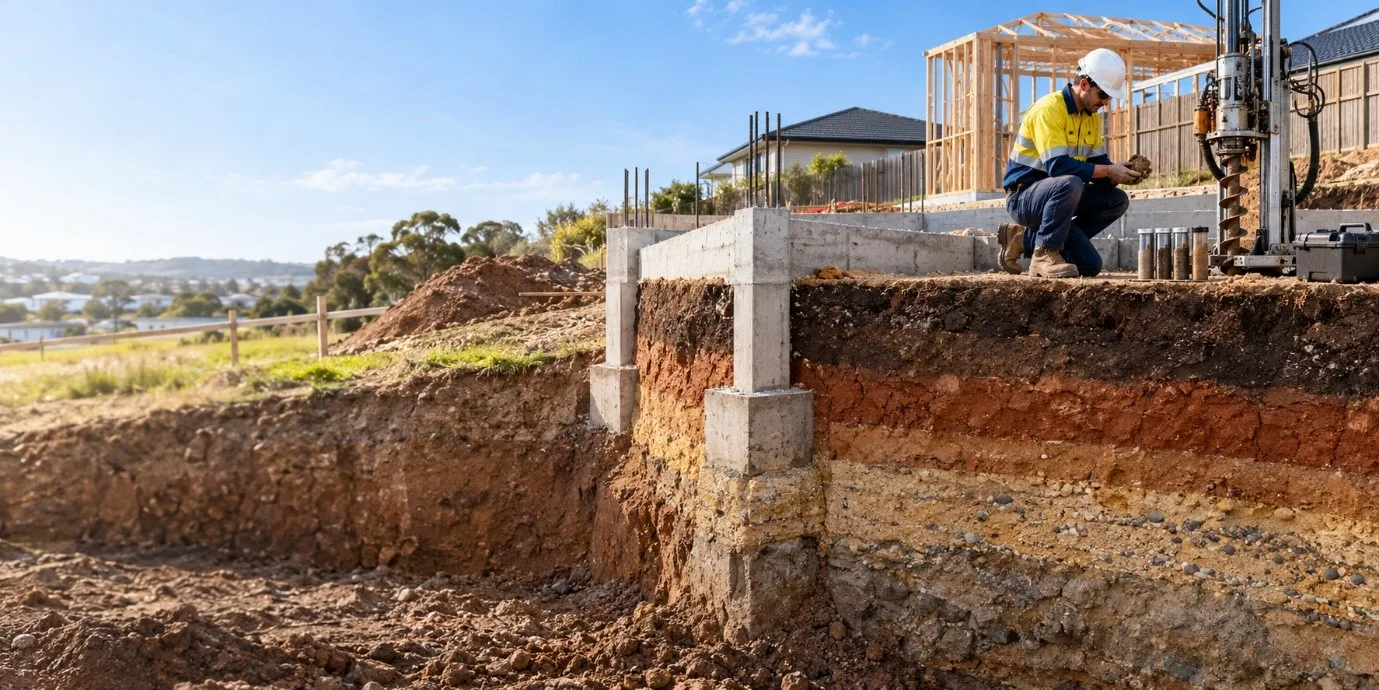
Before starting any construction project, it is important to understand what lies beneath the surface. The soil on a building site can affect foundation design, drainage, stability, construction methods, and the long-term performance of the structure. A site that looks flat and suitable from the surface may have layers of soil with very different properties underneath.
This is why Soil Testing Gold Coast can be an important part of responsible construction planning. Soil testing provides useful information about ground conditions and helps builders, engineers, and property owners make informed decisions before construction begins.
Why Is Soil Important Before Building?
Soil is not the same at every location. Some sites may contain dense sand or gravel, while others may have clay, loose fill, organic material, or weathered rock. Each type of ground can behave differently when subjected to the weight of a building.
If the soil cannot adequately support the proposed structure, problems such as uneven settlement, movement, cracking, or drainage issues may occur. Understanding the ground conditions before construction allows the project team to consider these factors during the planning stage.
A professional Soil Investigation can identify important characteristics of the site and provide information that supports appropriate foundation decisions.
What Can Soil Testing Tell You?
A properly planned investigation can provide valuable information about the condition and characteristics of the ground. Depending on the project and site requirements, testing may help identify:
- Soil type and ground composition
- Changes between different soil layers
- Soil strength and bearing characteristics
- Areas of loose or unsuitable material
- Potential settlement concerns
- Groundwater conditions
- Existing fill or disturbed ground
- Conditions that may influence foundation selection
This information can be particularly useful for engineers when developing foundation recommendations and construction plans.
How Does Soil Affect Foundations?
The foundation transfers the weight of a building into the ground. The type and condition of the soil therefore have a direct relationship with foundation performance.
For example, strong and stable ground may provide suitable support for certain foundation solutions, while weaker or highly variable ground may require additional engineering consideration.
Foundation Planning should take into account the actual conditions found at the site rather than relying only on assumptions based on nearby properties. Even neighbouring blocks can have different soil profiles.
Early investigation can help reduce uncertainty and give the project team better information before construction work begins.
What About Clay and Expansive Soil?
Clay soils can behave differently from sandy soils. Some clay materials may change volume as their moisture content changes. During wet and dry periods, this movement can affect structures if the foundation and drainage arrangements are not appropriately designed.
This is one reason site-specific investigation is useful. Rather than assuming that all properties in an area have identical conditions, testing can provide information about the actual ground beneath the proposed building.
Property owners considering Soil Testing Gold Coast should therefore view soil information as part of the broader construction planning process.
Can Soil Affect Drainage?
Yes. Soil characteristics can influence how water moves through the ground. Some soils allow water to drain relatively quickly, while others may retain moisture for longer periods.
Poorly understood drainage conditions can create challenges around foundations, landscaping, retaining structures, and other parts of a property.
A soil investigation can help identify conditions that may need to be considered when planning drainage and site works. This can be especially important on properties with slopes, variable ground conditions, or areas affected by previous earthworks.
Why Is a Soil Report Useful?
The information collected during investigation can be presented in a Soil Testing Brisbane or another site-specific report, depending on the location and project requirements.
A soil report can provide useful technical information for construction professionals and property owners. It may include details about the tested ground conditions, relevant observations, test results, and recommendations or information required for engineering assessment.
Instead of making foundation decisions based purely on visual inspection, a report provides documented information about the site.
When Should Soil Testing Be Done?
Ideally, soil investigation should be considered during the early planning stage, before final construction decisions are made.
Testing too late may mean that foundation or site-work decisions have already been developed without complete information about the ground. If unexpected conditions are discovered during excavation, changes may then be required.
Planning Soil Testing Services early can give engineers and builders relevant ground information while there is still time to incorporate it into the design and construction process.
Does Every Building Site Have the Same Soil?
No. Soil conditions can vary significantly from one property to another. Previous construction, filling, excavation, natural geological conditions, drainage, and changes in elevation can all influence what is found beneath the surface.
This means information from another property should not automatically be treated as a substitute for site-specific investigation.
A professional Soil Investigation helps establish a clearer understanding of the particular site being developed.
What Should You Check Before Construction?
Before building, property owners and project teams should consider several important ground-related questions:
- What type of soil is present?
- Are there different soil layers across the site?
- Is the ground strong enough for the proposed structure?
- Could settlement or ground movement be a concern?
- Are there drainage or groundwater considerations?
- Has the site previously been filled or disturbed?
- What information does the engineer require for foundation design?
Answering these questions early can help create a more informed construction plan.
How Can GeoTest Group Help?
GeoTest Group provides geotechnical and soil testing services to help clients obtain useful information about ground conditions before construction. Site-specific testing can support engineers, builders, developers, and property owners when assessing the ground beneath a proposed development.
Whether the project involves a new home, extension, commercial development, or other construction work, understanding the soil is an important part of preparing the site.
If you are planning construction, obtaining suitable soil information early can help the project team understand the ground conditions before major building work begins.
The soil beneath a building site plays an important role in construction planning. Soil type, strength, moisture conditions, drainage, previous earthworks, and ground variability can all influence how a structure should be designed and built.
Using Soil Testing Gold Coast as part of the early planning process can provide valuable site-specific information for engineers and construction professionals. A detailed Soil Testing Brisbane, where applicable, can also help document important ground conditions and testing results.
Frequently Asked Question
Soil testing identifies ground conditions that may influence foundation design, drainage, stability, and construction planning.
Yes, soil conditions can vary between properties due to geology, filling, excavation, drainage, and previous site development.
A soil investigation can examine soil layers, material characteristics, ground strength, groundwater conditions, and other site-specific factors.
Soil testing is best considered during the early planning stage, before final foundation and construction decisions are made.
Yes, soil investigation results can provide engineers with important information when assessing suitable foundation requirements.


