
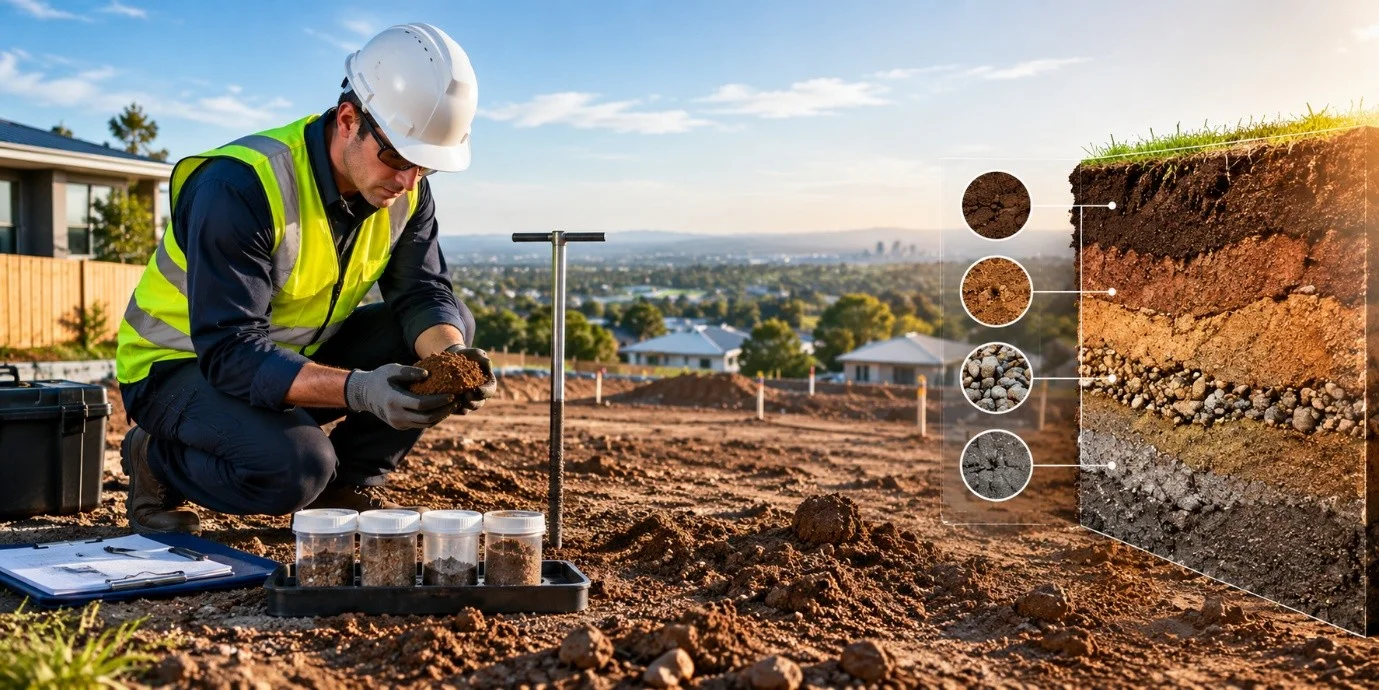
Building a new home or commercial property is a major investment, so understanding the ground beneath the site is an important first step. Soil Testing in Logan helps builders, engineers, developers, and property owners understand the condition of the soil before construction begins. A proper test can reveal important information about soil strength, moisture, composition, movement, and other factors that may affect the proposed structure.
Without reliable information about the ground, foundation decisions may be based on assumptions. Soil testing provides practical data that can help reduce construction risks, improve foundation planning, and support a safer building process.
What Is Soil Testing?
Soil testing is the process of examining soil conditions at a proposed construction site. Depending on the project, testing may involve collecting soil samples, drilling boreholes, conducting field tests, and assessing different soil layers.
The results help determine how the ground may respond to the weight of a building. They can also identify conditions that may require special construction methods.
A building soil test may provide information about:
- Soil type and composition
- Soil strength and bearing capacity
- Moisture conditions
- Ground movement potential
- Fill materials
- Soil layering
- Site drainage characteristics
- Conditions that may influence foundation design
This information gives engineers a clearer understanding of the site before construction starts.
Why Is Soil Testing in Logan Important?
Different building sites can have different ground conditions, even when they are located relatively close to one another. This makes site-specific investigation important.
Soil Testing in Logan can help identify potential ground-related issues before they become expensive construction problems. Knowing the soil conditions early allows engineers and builders to make better decisions about foundations, excavation, drainage, and other construction requirements.
A professional soil investigation can also provide information that supports project planning and helps avoid unnecessary surprises during construction.
Helps With Foundation Design
One of the most important reasons to conduct soil testing is to support suitable foundation planning. The foundation transfers the building’s weight into the ground. If the soil cannot adequately support the expected loads, problems such as settlement, cracking, or uneven movement may occur.
A foundation testing assessment provides useful information about the ground conditions so engineers can determine an appropriate foundation approach for the project.
Depending on the site conditions, the recommended foundation system may vary. Testing helps ensure that decisions are based on actual site information rather than assumptions.
Identifies Weak or Problematic Soil
Some construction sites may contain weak, loose, highly reactive, filled, or otherwise challenging soils. These conditions can influence how a building should be designed and constructed.
A professional soil stability assessment can help identify potential concerns before construction begins. Early identification is valuable because addressing a soil issue during the planning stage is generally easier than discovering it after significant construction work has started.
If unsuitable material is found, engineers can consider appropriate solutions based on the project requirements.
Helps Reduce Construction Risks
Construction projects involve many decisions, and unexpected ground conditions can create delays and additional costs.
A detailed soil report gives project stakeholders useful information about the site’s ground conditions. This can help builders plan excavation, foundation work, drainage, and other activities more effectively.
Testing may also reduce the likelihood of discovering significant soil-related problems after construction has already commenced.
For property owners, this can provide greater confidence that important foundation decisions are supported by technical information.
Supports Better Drainage Planning
Water can have a significant effect on soil behaviour. Excess moisture may influence soil strength, stability, and movement, depending on the soil type and site conditions.
Geotechnical testing can provide information about ground and moisture conditions that may be relevant to drainage and site preparation.
Understanding these conditions early can help engineers and builders consider suitable drainage strategies as part of the overall construction plan.
Useful for Residential and Commercial Projects
Soil testing is not limited to large commercial developments. It can also be valuable for residential construction.
Whether you are planning a new house, extension, shed, retaining structure, or commercial building, understanding the ground conditions can help support appropriate design and construction decisions.
The extent of testing required depends on factors such as the type of development, site conditions, proposed loads, and engineering requirements.
A professional construction site assessment can help determine what information is needed for the specific project.
Helps Engineers Make Informed Decisions
Engineers need reliable site information when developing structural and foundation recommendations. Soil testing provides technical data that can become an important part of the engineering process.
A soil report may help engineers understand the ground profile and assess factors that could influence foundation selection and site preparation. This information can contribute to a more efficient design process because engineering decisions are based on measured site conditions.
Can Help Avoid Unexpected Costs
Ignoring ground conditions can create financial risks. If unexpected soil problems are discovered during construction, changes to the original plan may be required.
These changes can potentially involve additional excavation, materials, labour, engineering work, or construction time.
By arranging soil testing early, property owners can obtain useful information before committing fully to construction decisions. While testing is an upfront cost, it can help identify potential issues earlier in the project.
When Should You Arrange Soil Testing?
Ideally, Soil Testing in Logan should be arranged during the planning stage, before foundation and structural decisions are finalised.
Early testing gives engineers and builders time to review the findings and account for the site’s ground conditions in the design.
Waiting until construction has started can make it harder to respond efficiently to unexpected conditions.
Choose Professional Soil Testing
A construction site should not be assessed based only on its appearance. Soil that looks firm at the surface may have different conditions below ground.
Professional testing provides information that cannot be reliably determined through visual inspection alone. The appropriate testing methods depend on the project and the characteristics of the site.
For anyone planning construction, Soil Testing in Logan can be an important step toward understanding the ground, supporting foundation decisions, and reducing avoidable construction risks.
The ground beneath a building plays an important role in its long-term performance. Soil Testing in Logan helps reveal important information about soil strength, composition, moisture, stability, and other conditions that may influence construction.
By obtaining a professional soil report before building, property owners, builders, and engineers can make better-informed decisions about foundations and site preparation. Early investigation can also help identify potential challenges before they become costly construction issues.
If you are planning a building project, arranging professional soil testing early can provide valuable information for a safer and more informed construction process.
Soil Testing in Logan identifies ground conditions that can influence foundation design, construction methods, and building stability.
A soil test can assess soil type, strength, moisture, composition, stability, and other conditions relevant to construction.
Yes, soil testing can provide important information for selecting and designing a suitable foundation for a new home.
Yes, identifying weak or reactive soil early can help engineers develop suitable foundation and construction solutions.
Soil testing is best completed during the planning stage, before foundation and structural design decisions are finalised.


