
Uncategorized

Slope Stability Assessment in Brisbane: Why It’s Important for Construction

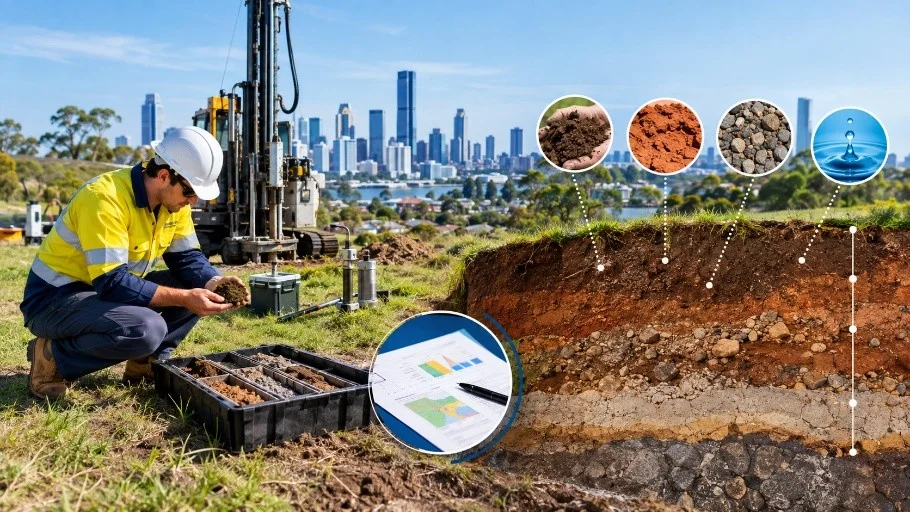
A Slope Stability Assessment Brisbane is a geotechnical evaluation that determines whether sloped land is structurally safe for construction. Conducted by a licensed Geotechnical Engineer Brisbane, this assessment analyses soil strength, slope gradient, moisture levels, and failure risk — producing a certified Slope Stability Report Brisbane used by councils, builders, and structural engineers to approve and guide construction.

If you are building, renovating, or subdividing on any sloped block in Brisbane or Southeast Queensland, this assessment is not optional — it is a fundamental safety requirement.

Why Is Slope Stability Assessment Critical in Brisbane?

Brisbane’s landscape is characterised by hilly terrain, clay-rich reactive soils, and high seasonal rainfall — a combination that directly increases landslide and slope failure risk. Suburbs like Kenmore, Pullenvale, Fig Tree Pocket, Ferny Grove, and Mount Gravatt all sit on terrain that demands proper geotechnical review before any structure is built.

According to Geotest Group, a leading Geotechnical Engineer Brisbane with over 10 years of experience across Southeast Queensland, slope failures most commonly occur because:

  • Soil saturation from heavy rainfall weakens the ground’s shear strength
  • Poor drainage behind retaining walls builds up hydrostatic pressure
  • Construction loads are placed on slopes without adequate geotechnical analysis
  • Reactive clay soils expand and contract, destabilising foundations over time

Without a Site Stability Assessment Brisbane, these risks go undetected — and the consequences can be costly, dangerous, and legally complex.

What Does a Slope Stability Assessment Include?

A certified Slope Stability Report Brisbane from Geotest Group covers the following:

Site Inspection: A qualified engineer inspects the slope for visible signs of movement, erosion, cracking, or geohazards. This is the starting point for every assessment.

Soil Testing: On-site tests including hand augers, Dynamic Cone Penetrometer (DCP) tests, and shear vane tests are performed to depths of 3–4 metres. These tests measure soil strength, composition, and moisture behaviour under load.

Laboratory Analysis: Soil samples are tested in a certified lab to assess bearing capacity, expansivity, and classification according to Australian Standard AS2870-2011.

Slope Stability Modelling: Using advanced Finite Element software, engineers model worst-case scenarios — heavy rainfall, added structural load, and soil saturation — to calculate how stable your slope is under real conditions.

Final Geotechnical Report: The completed Slope Stability Report Brisbane includes subsoil profiling, risk ratings, foundation recommendations, and remediation options if instability is found.

When Do You Need a Slope Stability Assessment in Brisbane?

You need a Slope Stability Assessment Brisbane in these specific situations:

  • Building on sloped land — Any block with a gradient above 15% typically triggers a council requirement for geotechnical review
  • Installing a retaining wall — A retaining wall assessment Brisbane is required to ensure the wall design can safely handle soil pressure, drainage, and load
  • Subdividing sloped land — Urban and rural subdivision approvals across Brisbane require a geotechnical report as part of the development application
  • After flooding or heavy rain — Saturated soils lose shear strength rapidly, making post-rainfall assessments essential
  • Visible land movement — Cracking soil, leaning structures, or uneven ground are warning signs that need immediate assessment

Brisbane City Council and most Southeast Queensland local governments will not grant development approval on steep or landslide-prone sites without a certified geotechnical report. Missing this step can delay your entire project.

Understanding Landslide Risk in Queensland

Landslide risk assessment Queensland is relevant to both rural properties and Brisbane’s urban hillside suburbs. Queensland’s geology — layered clay, weathered rock, sandy fill, and expansive subsoils — makes many sites naturally susceptible to slope movement, particularly during the wet season.

A landslide risk assessment Queensland identifies:

  • High-saturation zones where soil loses stability under rainfall
  • Weak subsurface layers prone to sliding under structural load
  • Inadequate drainage paths that increase hydrostatic pressure
  • Safe construction setback zones and slope gradient limits

Geotest Group conducts these assessments across Brisbane, Sunshine Coast, Gold Coast, Ipswich, and Logan — providing site-specific risk ratings and practical engineering solutions for each location.

Retaining Wall Assessment: A Non-Negotiable Step

A Retaining Wall Assessment Brisbane is one of the most commonly skipped — and most consequential — geotechnical steps in residential construction. Retaining walls hold back tonnes of soil pressure. Without a proper geotechnical basis, even well-built walls can fail.

Geotest Group’s retaining wall assessment Brisbane ensures:

  • Wall footing depth suits actual soil conditions
  • Drainage design prevents water pressure build-up behind the wall
  • Structural loads are matched to the soil’s real bearing capacity
  • Design complies with Brisbane City Council and Queensland Building Code requirements

How Much Does a Slope Stability Report Cost in Brisbane?

A Slope Stability Report Brisbane from Geotest Group typically costs between $1,800 and $6,000. The final price depends on land size, slope severity, number of test locations, and whether additional lab testing or council-required peer review is needed.

This cost is minor compared to the expense of slope failure, structural repair, legal liability, or complete demolition and rebuild.

Why Choose Geotest Group for Slope Stability Assessment in Brisbane?

Geotest Group is a fully qualified, registered professional engineering firm providing slope stability assessment Brisbane, site stability assessment Brisbane, retaining wall assessment Brisbane, and Landslide Risk Assessment Queensland services across Southeast Queensland.

  • 10+ years of geotechnical experience in Brisbane and surrounds
  • Finite Element software for accurate slope modelling
  • Fast turnaround, including urgent job support
  • Reports accepted by Brisbane City Council and SEQ local authorities

It is a geotechnical evaluation that determines whether sloped land is safe and structurally suitable for construction.

It is required for any development on steep, landslide-prone, or geotechnically complex land under Brisbane City Council guidelines.

It involves testing soil conditions, drainage, and load capacity to ensure the retaining wall is safely designed for the actual site.

Costs range from $1,800 to $6,000 depending on land size, gradient, and testing complexity.

Yes, Geotest Group provides landslide risk assessments across Brisbane, Gold Coast, Sunshine Coast, Ipswich, and Logan.

Uncategorized

Common Risks Identified in a Slope Stability Hazard Overlay Area

A Slope Stability Hazard Overlay Area is a council-mapped zone where land has an elevated risk of ground movement, soil failure, or landslide. Properties within these zones require a professional assessment before development can proceed.

In Brisbane and across Queensland, these overlays are built into local planning schemes. If your property is flagged, understanding the specific risks on your land is not optional — it is a legal and safety requirement.

This guide covers the six most common risks identified in a slope stability hazard overlay area, what causes them, and what assessment you need.

What Is a Slope Stability Hazard Overlay Area?

A slope stability hazard overlay area is a designated zone on a planning scheme map where the natural terrain presents a measurable risk of slope instability.

Brisbane City Council and other Queensland local governments use these overlays to:

  • Identify land susceptible to landslide or soil movement
  • Require geotechnical assessment before development approval
  • Protect residents, buildings, and infrastructure from ground failure

If your property falls within this zone, a Slope Stability Report Brisbane geotechnical professionals prepare is usually mandatory for any development application.

Risk 1: Landslide and Ground Movement

Landslide is the most serious risk in a slope stability hazard overlay area. It occurs when soil or rock on a slope loses strength and moves downhill rapidly.

What causes it?

  • Heavy or prolonged rainfall saturating the soil
  • Excavation or earthworks removing natural support
  • Removal of vegetation that anchors the ground
  • Steep slope angles combined with weak soil layers

Why it matters in Queensland

Southeast Queensland’s wet season delivers intense rainfall events. This significantly increases landslide risk on sloped properties. A Landslide Risk Assessment Queensland evaluates slope angle, soil composition, drainage capacity, and vegetation to determine your actual risk level.

Even slow ground movement — called soil creep — can crack walls, tilt structures, and damage foundations over years without obvious early warning signs.

Risk 2: Retaining Wall Failure

A retaining wall failure occurs when a wall can no longer hold back the soil load behind it — causing it to lean, crack, or collapse.

Common causes of retaining wall failure:

  • No drainage behind the wall (water pressure builds up)
  • Wall built without engineering design
  • Age and deterioration of materials
  • Increased load from new construction nearby
  • Root damage from nearby trees

A Retaining Wall Assessment Brisbane examines the wall’s structural integrity, footing depth, drainage condition, and load-bearing capacity.

Warning signs to act on immediately:

  • Visible leaning or tilting
  • Horizontal cracking across the wall face
  • Bulging in the mid-section
  • Water seeping through the base

A failed retaining wall is a safety hazard, not just a maintenance issue. Professional assessment is essential before any slope-side construction.

Risk 3: Soil Erosion and Surface Loss

Erosion is the gradual removal of soil by water or wind. On sloped land, rainfall accelerates erosion and weakens the ground layer beneath structures.

How erosion creates instability:

  1. Topsoil washes away, reducing ground strength
  2. Stormwater channels form, concentrating water flow
  3. Foundation depth reduces over time
  4. Slope gradient effectively increases as material is lost

Erosion is frequently identified during a Site Stability Assessment Brisbane — and is one of the most preventable risks with proper drainage and ground cover management.

Unmanaged erosion can undermine building foundations within a few years on steep Queensland properties.

Risk 4: Soil Saturation and Liquefaction

Soil liquefaction occurs when saturated soil temporarily loses its shear strength and behaves like a liquid under pressure or vibration.

This risk is most relevant in:

  • Silty or sandy soils common in parts of Queensland
  • Low-lying areas at the base of slopes
  • Sites with poor drainage or high water table

A geotechnical engineer Brisbane will conduct soil testing to identify soil type, permeability, and saturation risk. These results directly inform the engineering design for any structure built on the site.

After significant rainfall events, previously stable slopes can fail quickly if the soil reaches saturation point.

Risk 5: Foundation Instability

Foundation instability in a slope stability hazard overlay area occurs when soil movement, expansion, or contraction affects a building’s structural base.

Why Queensland soils are particularly prone:

Queensland has significant areas of reactive clay soil. This soil type:

  • Expands when wet
  • Contracts when dry
  • Moves seasonally, applying stress to footings

Over time, this movement causes:

  • Cracked concrete slabs
  • Misaligned door and window frames
  • Uneven floors
  • Structural wall cracking

A slope stability report Brisbane will include specific footing and slab design recommendations to account for soil reactivity and slope conditions.

Risk 6: Stormwater and Drainage Failure

Inadequate stormwater management on sloped land concentrates water flow, increases erosion, oversaturates soil, and adds pressure to retaining structures.

In a slope stability hazard overlay area, drainage design is a critical engineering consideration — not an afterthought.

What a drainage review covers:

  • Surface water flow paths across the site
  • Capacity of existing drainage infrastructure
  • Risk of water pooling near foundations or retaining walls
  • Recommended drainage upgrades for safe development

Your Site Stability Assessment Brisbane must include a drainage review. Redirecting water flow away from vulnerable slope areas significantly reduces overall instability risk.

What Triggers a Formal Assessment Requirement?

Trigger Assessment Required
Development application in overlay zone Slope stability report Brisbane
Retaining wall construction or repair Retaining wall assessment Brisbane
Earthworks, cut, or fill operations Site stability assessment Brisbane
Signs of slope movement or wall cracking Geotechnical engineer Brisbane
Planning for sloped site in Queensland Landslide risk assessment Queensland

Who Conducts These Assessments?

A registered geotechnical engineer is the qualified professional who conducts slope stability and site stability assessments in Brisbane and Queensland.

They are responsible for:

  • Soil sampling and laboratory testing
  • Slope angle and stability calculations
  • Drainage analysis and recommendations
  • Preparing reports that meet council requirements
  • Certifying that a site is safe for the proposed development

A Geotechnical Engineer Brisbane must be registered with Engineers Australia or equivalent and experienced in Queensland soil and terrain conditions.

A slope stability hazard overlay area presents six core risks: landslide, retaining wall failure, soil erosion, liquefaction, foundation instability, and drainage failure. Each risk requires a professional assessment — typically a slope stability report or site stability assessment — before Brisbane City Council will grant development approval. A qualified geotechnical engineer Brisbane prepares these reports based on soil testing, slope analysis, and drainage review.

It is a council-mapped zone where land carries a higher risk of ground movement, slope failure, or landslide, requiring geotechnical assessment before development.

Yes — any development application within a mapped hazard overlay zone in Brisbane typically requires a formal slope stability report prepared by a geotechnical engineer.

A site stability assessment in Brisbane generally takes three to seven business days, depending on site access, soil testing requirements, and report complexity.

Yes — a geotechnical engineer conducts a full retaining wall assessment covering structural integrity, drainage conditions, footing depth, and load-bearing capacity.

No — only properties within council-mapped overlay areas or those triggering specific development thresholds require a formal landslide risk assessment in Queensland.

Uncategorized

When Do You Need a Slope Stability Report in Brisbane?

If your property sits on a slope or near a retaining wall, your builder or council will likely ask for a Slope Stability Report Brisbane before approving any construction. This guide answers the most common questions property owners ask — clearly and simply.

What Is a Slope Stability Report?

A Slope Stability Report Brisbane is a formal document prepared by a qualified Geotechnical Engineer Brisbane. It assesses whether the ground on or near a sloped site is safe enough to build on — now and long-term.

The report typically includes:

  • A full site inspection for visible risks
  • Shallow soil testing using hand augers, Dynamic Penetrometer Tests (DPT), and shear vane tests
  • Soil profile and subsoil condition analysis
  • Advanced slope modelling using Finite Element geotechnical software
  • Foundation design recommendations
  • A site plan with soil logs and technical findings

When Do You Actually Need a Slope Stability Report in Brisbane?

Do you need one if you’re building on a sloped block?

Yes — almost always. If your block has a natural slope or sits on uneven ground, Brisbane City Council and certifiers typically require a Site Stability Assessment Brisbane before issuing a building approval. Suburbs like Paddington, Bardon, and Ferny Hills are common areas where this applies. Even a moderate slope can shift under load, especially during Queensland’s heavy wet season.

Do you need a report for a retaining wall?

Yes, especially for new builds or damaged walls. A retaining wall assessment Brisbane is essential when you’re constructing a new retaining wall or when an existing wall shows signs of cracking, leaning, or movement. The report tells structural engineers what soil pressures the wall must handle, what foundation depth is required, and what drainage must be built in to prevent failure.

Do you need one if your site is in a landslide zone?

Absolutely. Queensland’s hilly terrain and intense seasonal rainfall create real risks. A Landslide Risk Assessment Queensland is often a non-negotiable council requirement if your property is near a known landslide-prone area or steep batter. Ignoring this doesn’t remove the risk — it shifts the full liability to you as the property owner.

Do you need a report after ground movement or slope failure?

Yes — and urgently. If you’ve noticed cracking in walls, slipping soil, uneven floors, or sagging ground after heavy rain, your slope may already be failing. A forensic Site Stability Assessment Brisbane identifies the cause and guides the right remediation before the damage — or danger — escalates.

Do you need one for commercial or large-scale developments?

Yes, without exception. For subdivisions, commercial builds, or any development on a complex site, a detailed Slope Stability Report Brisbane is a standard requirement from local authorities. Structural engineers and certifiers won’t sign off on foundation design without verified geotechnical data.

What Does the Testing Process Involve?

Here’s what a qualified Geotechnical Engineer Brisbane does during a slope stability investigation:

  • Site visit — Inspect slope angles, drainage, vegetation, and existing structures
  • Shallow testing — 2–3 hand auger holes to 3.0–4.0 metres depth, plus DPT and shear vane tests
  • Lab analysis — Soil samples tested for strength, composition, and behaviour under load
  • Slope modelling — Advanced Finite Element software used to calculate stability under various load and rainfall conditions
  • Final report — Includes soil logs, site plan, foundation options, and slope safety conclusions

How Much Does a Slope Stability Report Cost in Brisbane?

Most Slope Stability Report Brisbane costs fall between $1,800 and $6,000, depending on:

  • The size and gradient of the block
  • Number of test locations required
  • Whether deep drilling (CPT or machine boreholes) is needed
  • Complexity of the soil profile

For a standard hillside residential lot, costs usually sit at the lower end of this range — and it’s far cheaper than dealing with a failed foundation or council rejection mid-project.

Why Is Brisbane’s Geology a Special Challenge?

Brisbane’s ground conditions are highly variable. You’ll find reactive clay soils, basalt rock, sandstone, and loose alluvial deposits — sometimes all within the same property. Combine that with steep terrain in many suburbs and Queensland’s intense rainfall, and the need for a proper landslide risk assessment Queensland becomes very clear.

Local councils, certifiers, and engineers rely on this data to make safe, accurate decisions. Without it, your development approval stalls — and hidden ground risks stay hidden.

Who Should You Hire for a Slope Stability Report in Brisbane?

Always choose a fully licensed and experienced Geotechnical Engineer Brisbane who is registered in Queensland and has a strong track record with hillside and sloped site investigations.

Geotest Group provides professional Slope Stability Report Brisbane services including site inspections, shallow soil testing, advanced slope analysis, and fast report turnaround. Contact their Brisbane team at info@geotestgroup.com.au for a personalised quote.

When Do You Need a Slope Stability Report in Brisbane?

Situation Report Needed?
Building on a sloped residential block       Yes
Constructing or repairing a retaining wall       Yes
Site in a landslide-prone area in Queensland       Yes
Ground movement or slope cracking noticed       Yes
Commercial or large-scale development       Yes
Flat suburban block with no slope concerns      Check with council

It’s required for sloped, hillside, or complex sites where councils or structural engineers need ground stability confirmation before approving construction.

Most reports are completed within a few days to two weeks, with express turnaround available for time-sensitive projects.

It covers soil pressure analysis, recommended foundation depth, drainage design, and wall specifications to ensure long-term structural safety.

Yes — forensic geotechnical investigations identify the cause of failure and recommend the correct remediation approach for your site.

Steep terrain, proximity to known hazard zones, heavy rainfall impact, or a council-flagged landslide area typically triggers a formal landslide risk assessment Queensland.

Uncategorized

Slope Stability Assessment in Brisbane – Complete Guide for Property Owners

If your property sits on a slope, hillside, or near a steep embankment, one question matters more than anything else before you build, renovate, or sell — is the ground actually safe?

A Slope Stability Assessment Brisbane is not just a formality. It’s the professional evaluation that tells you whether your land is at risk of movement, erosion, or in the worst case, a landslide. And in Brisbane, where hilly terrain is common across suburbs like Paddington, The Gap, Samford, and Kenmore, this assessment could save your home — and your investment.

This guide breaks down everything property owners in Brisbane need to know.

What Is a Slope Stability Assessment?

A Slope Stability Assessment Brisbane is a technical study carried out by a licensed Geotechnical Engineer Brisbane to evaluate whether a slope, embankment, or hillside is structurally stable. The assessment looks at:

  • Soil type and strength
  • Slope angle and height
  • Water drainage and saturation levels
  • Any signs of existing movement or cracking
  • Risk of future failure under load or during heavy rainfall

The result is a detailed Slope Stability Report Brisbane that outlines current conditions, risk levels, and recommended action.

Why Do Brisbane Property Owners Need This Assessment?

Brisbane’s unique geography makes slope-related risks a real concern. Heavy rainfall events, reactive clay soils, and cut-and-fill land in older suburbs all increase the chance of ground movement.

You will likely need a site stability assessment Brisbane if:

  • Your block has a slope steeper than 15 degrees
  • You are building a new home, extension, or retaining wall on sloped land
  • You notice cracks in walls, uneven floors, or shifting fences
  • Your council requires geotechnical documentation for a development application (DA)
  • You are buying or selling a property on hilly terrain

Skipping this step can lead to costly structural failures, insurance issues, or even council rejection of your building plans.

When Is a Landslide Risk Assessment Required?

A Landslide Risk Assessment Queensland is typically required when:

  • Land is classified as steep or highly sloped by Brisbane City Council
  • There is a history of slope movement in the surrounding area
  • Subdivision or large earthworks are planned
  • Significant cut or fill work will change the natural slope

Queensland councils take these risks seriously. In many cases, a landslide or slope failure assessment is a non-negotiable part of the planning and approval process.

What Does a Slope Stability Report Include?

A professional slope stability report Brisbane from a qualified Geotechnical Engineer Brisbane will typically include:

Site Inspection — A physical visit to assess visible signs of slope movement, erosion, drainage issues, and existing structures. full details

Soil Testing — Using hand augers, Dynamic Penetrometer Tests (DCP), and shear vane tests to understand what’s beneath the surface, usually to depths of 3–4 metres.

Lab Analysis — Soil samples are tested for strength, moisture content, and classification.

Finite Element Software Analysis — Advanced modelling software is used to simulate how the slope behaves under different load and weather conditions.

Recommendations — Clear advice on whether the slope is safe, what remediation is needed, or whether further investigation is required.

Retaining Wall Assessment Brisbane — Why It Matters

A Retaining Wall Assessment Brisbane is often part of — or connected to — a slope stability assessment. Retaining walls are built to hold back soil on sloped properties, but if not properly designed or if the soil behind them becomes saturated, they can fail suddenly.

Signs your retaining wall may need assessment include:

  • Leaning, bulging, or cracking walls
  • Water pooling behind the wall
  • Soil movement above or below the wall
  • Wall approaching the end of its design life (usually 25–50 years)

A Geotechnical Engineer Brisbane can assess whether your wall is still structurally safe or needs to be repaired or rebuilt.

How Much Does a Slope Stability Assessment Cost in Brisbane?

The cost of a slope stability report Brisbane generally ranges from $1,800 to $6,000, depending on:

  • Size of the land area
  • Complexity of the slope
  • Depth of testing required
  • Whether additional lab work is needed

For most standard residential sites, the cost sits toward the lower end of this range. Investing in an assessment upfront is far more affordable than dealing with a slope failure after construction begins.

Choosing the Right Geotechnical Engineer in Brisbane

Not all engineers have geotechnical experience. Look for a team that:

  • Is a registered professional engineer Queensland (RPEQ)
  • Has direct experience in slope stability assessment Brisbane
  • Can provide a landslide risk assessment Queensland where required
  • Uses current software and testing methods
  • Has worked on both residential and commercial projects

Geotest Group has over 10 years of experience providing site stability assessment Brisbane, soil testing, and geotechnical services across Brisbane, Logan, Ipswich, and the Gold Coast. Their team handles everything from initial site inspection to full Slope Stability Report Brisbane delivery, with fast turnaround times for urgent projects.

Final Thoughts

If your property is on sloped land in Brisbane, getting a slope stability assessment Brisbane is one of the smartest decisions you can make. It protects your investment, helps you meet council requirements, and gives you peace of mind that the ground beneath your home is safe.

Whether you need a full landslide risk assessment Queensland, a retaining wall assessment Brisbane, or a site stability assessment Brisbane for a new build — working with an experienced geotechnical engineer Brisbane makes all the difference.

Don’t wait for cracks to appear. Get assessed before you build.

It’s a geotechnical report that evaluates whether a sloped property is safe from movement, erosion, or landslide risk.

You need one when building on sloped land, applying for a DA, or if your property shows signs of ground movement.

Prices typically range from $1,800 to $6,000 depending on land size and complexity.

It’s a structural and geotechnical check to confirm whether your retaining wall is still safe and performing as designed.

Yes, if your land is steep, near a known risk area, or requires council approval for development or subdivision.

Uncategorized

The Critical Role of Soil Testing in Gold Coast Property Development

The Gold Coast is a region defined by its diverse and often challenging geological landscape. From the sandy foundations of Main Beach to the heavy, reactive clays of the Hinterland and the reclaimed canal estates of Broadbeach Waters, the ground beneath your feet is rarely uniform. This is why reading Reviews of soil testing services available in Gold Coast has become a vital step for anyone looking to build, renovate, or invest in local real estate.

A professional Soil Report Gold Coast serves as the primary insurance policy for your foundation. It provides the empirical data required by engineers to design footings that can withstand the specific environmental stresses of South East Queensland. Without a comprehensive Site Soil Investigation Gold Coast, builders are flying blind, which can lead to catastrophic structural failures, uneven sinking, or the dreaded “slab heave” that plagues many poorly planned developments.

Evaluating Geotechnical Soil Testing Gold Coast Providers

When analysing Geotechnical Soil Testing Gold Coast, the most reputable firms are those that combine local experience with NATA-accredited laboratory facilities. Local reviews frequently point toward several key players who have mastered the art of navigating the Gold Coast’s unique soil profiles.

Geotech Testing Pty Ltd is often cited in professional circles for their precision in large-scale infrastructure and residential projects. Their ability to conduct a deep Site Soil Investigation Gold Coast is essential for multi-story developments where bearing capacity is a primary concern. Clients often mention their technical thoroughness and their adherence to strict Australian safety standards.

Another highly-reviewed firm is STA Consulting Engineers. They are frequently praised by residential homeowners for providing a seamless transition from the initial Pre-Construction Soil Testing Gold Coast to the final structural engineering plans. Their reports are known for being clear, concise, and highly actionable for builders who need to know exactly how much steel and concrete is required for a safe slab.

Why You Need a Construction Soil Testing Gold Coast Specialist

The construction phase is where the “rubber meets the road.” Engaging in Construction Soil Testing Gold Coast ensures that the soil conditions encountered during excavation actually match the predictions made during the planning phase. On the Gold Coast, it is not uncommon to find “soft spots” or unexpected rock layers once digging begins.

A detailed Soil Report Gold Coast categorizes your site into specific classes ranging from Class A (mostly sand and rock with little movement) to Class P (problem sites with high risk). Most of the Gold Coast falls into the “Moderately Reactive” category, meaning the soil will expand and contract significantly based on moisture levels. By securing a high-quality Site Soil Investigation Gold Coast, you ensure that your design accounts for these seasonal shifts, preventing unsightly cracks in your walls or misaligned doors and windows in the years to come.

Navigating the Pre-Construction Soil Testing Gold Coast Process

For those in the early stages of a project, Pre-Construction Soil Testing Gold Coast is usually the very first line item on the budget. This process involves a technician bringing a specialized drilling rig to your property to extract core samples. These samples are then tested for their “linear shrinkage” and “reactivity.”

The benefit of looking at Reviews of soil testing services available in Gold Coast is that you can find providers who specialize in “tight-access” sites. If you are building an auxiliary dwelling or a pool in a crowded suburb like Burleigh Heads, you need a team that can get their equipment into small spaces without damaging existing structures. Firms like Soiltech Testing Services are often highlighted in reviews for their ability to navigate these logistical hurdles while maintaining a fast turnaround time for the final Soil Report Gold Coast.

What to Look for in a Top-Tier Soil Report

A quality Soil Report Gold Coast should be more than just a list of numbers. When reading Reviews of soil testing services available in Gold Coast, look for mentions of “comprehensive analysis” and “clear recommendations.” A top-tier report should include:

  • Borehole Logs: Detailed descriptions of the soil layers found at various depths.
  • Groundwater Observations: Critical for sites near the coast or canal systems.
  • Site Classification: A clear designation (A, S, M, H, E, or P) as per Australian Standard AS 2870.
  • Bearing Capacity: An assessment of how much weight the soil can support per square meter.

Choosing a firm that specializes in Geotechnical Soil Testing Gold Coast ensures that these factors are measured with high-precision equipment rather than estimated.

Final Thoughts on Gold Coast Soil Services

Investing in a thorough Site Soil Investigation Gold Coast is not just a regulatory hurdle; it is a foundational step in protecting your financial future. Whether you are dealing with the tidal influences of the coast or the volcanic soils of the valleys, the expertise provided by local testers is invaluable. By comparing Reviews of soil testing services available in Gold Coast, you can find a partner who offers the right balance of price, speed, and technical expertise.

Before you sign a contract with a builder, ensure you have your Pre-Construction Soil Testing Gold Coast completed by an independent expert. This transparency ensures that your builder’s quote for “site costs” is accurate and prevents the “hidden extras” that often derail construction budgets.

It identifies soil reactivity and load-bearing capacity to prevent future foundation cracking or structural failure.

Most professional services deliver a completed report within 5 to 10 business days after the site visit.

Yes, Australian Standards require a soil classification report for all new residential footings and slabs.

It involves drilling boreholes to collect soil samples which are then analysed in a laboratory for moisture and reactivity.

You should book it as soon as you have your site plans, ideally before finalizing your architectural designs.

Uncategorized

How Much Does Professional Soil Testing Cost in Logan?

When planning any construction project, understanding ground conditions is one of the most critical first steps. Hiring Professional Soil Testing Services in Logan ensures your project starts on a solid and compliant foundation. From residential homes to large commercial developments, soil testing determines whether the land can safely support your structure.

One of the most frequently asked questions by property owners and builders is about pricing. So, how much does professional soil testing actually cost in Logan? The answer depends on several technical and site-specific factors, which we’ll explore in detail below.

Why Soil Testing Is Essential Before Construction

Soil testing is not just a procedural step — it is a safety requirement. It evaluates soil composition, density, moisture levels, and load-bearing capacity. These insights help engineers design the right type of foundation.

Without proper testing, projects may face structural instability, cracking foundations, drainage complications, or even long-term settlement issues. This is why Construction Soil Testing Logan is required before most building approvals are granted.

Testing also ensures compliance with Australian building codes and Logan City Council regulations, reducing legal and financial risks.

Average Soil Test Cost in Logan Australia

The Soil Test Cost in Logan Australia varies depending on the type of testing required.

For standard residential projects, soil testing generally starts from a few hundred dollars and may go up to around one thousand dollars. These tests are simpler, involving shallow boreholes and basic laboratory analysis.

For construction and commercial developments, costs increase due to deeper drilling, multiple boreholes, and advanced engineering evaluation. These projects may range from moderate to several thousand dollars.

Large-scale developments requiring extensive Geotechnical Soil Testing Logan investigations — such as high-rise buildings or infrastructure — can cost significantly more due to complexity, equipment, and reporting depth.

Key Factors That Influence Soil Testing Costs

Several elements determine the final price of Professional Soil Testing Services in Logan.

  • Project Type

Residential builds require less investigation than commercial or industrial structures, making them more affordable.

  • Site Accessibility

If machinery cannot easily access the land, additional labour and equipment are required, increasing costs.

  • Borehole Requirements

The number of boreholes depends on land size and structure load. More boreholes mean more drilling and testing.

  • Depth of Investigation

Heavier structures require deeper soil analysis, which raises pricing.

  • Soil Conditions

Reactive clay, rock layers, or groundwater presence demand more complex testing procedures.

Types of Soil Testing Services in Logan

Different projects require different testing approaches. Professional providers offer specialized services tailored to development needs.

  • Residential Testing

Residential Soil Testing Logan focuses on housing projects such as single homes, duplexes, and small units. It determines soil classification and foundation design requirements.

  • Construction Testing

Construction Soil Testing Logan supports commercial structures, warehouses, and civil works. It evaluates compaction, settlement risks, and structural load capacity.

What Is Included in a Soil Testing Report?

Hiring Professional Soil Testing Services in Logan provides a detailed engineering report that builders and architects rely on.

This report typically contains soil classification, borehole logs, groundwater observations, load-bearing calculations, and foundation recommendations. It also outlines site preparation requirements before construction begins.

Such documentation is mandatory for building approvals and ensures structural safety.

When Should You Conduct Soil Testing?

Soil testing should be done at the earliest planning stage. You will need Professional Soil Testing Services in Logan if you are building a new property, planning an extension, subdividing land, or constructing commercial facilities.

It is also required for retaining walls, driveways, and infrastructure projects where ground stability matters.

Early testing prevents costly redesigns and construction delays.

Time Required for Soil Testing

The duration depends on project complexity. Basic residential site testing is usually completed within a day, followed by laboratory testing over several days.

Most reports are delivered within one week. However, extensive Geotechnical Soil Testing Logan investigations may take a few weeks due to deeper analysis and engineering review.

How to Manage and Reduce Soil Testing Costs

While soil testing is unavoidable, costs can be optimized.

Scheduling testing early avoids urgent service fees. Ensuring clear site access reduces equipment challenges. Working with experienced local providers also helps streamline the process.

Combining multiple investigations in one visit can further reduce overall expenses.

Choosing the Right Soil Testing Provider

Selecting qualified experts is just as important as the testing itself. Look for companies offering Professional Soil Testing Services in Logan with accredited laboratories, licensed geotechnical engineers, and local project experience.

Reliable providers deliver accurate data, fast turnaround times, and council-compliant reports — all essential for smooth project approvals.

Is Soil Testing Worth the Investment?

Yes — soil testing is a small upfront cost compared to potential structural failures.

Without proper Construction Soil Testing Logan, buildings risk foundation damage, uneven settlement, and long-term maintenance expenses. Insurance and legal complications may also arise if testing is skipped.

Professional testing ensures safe design, regulatory compliance, and long-term structural durability.

Conclusion

The price of Professional Soil Testing Services in Logan depends on testing depth, land conditions, and project scale. Residential testing is relatively affordable, while commercial and geotechnical investigations require higher investment.

Regardless of cost, soil testing is a critical step in any development journey. It safeguards structural integrity, supports engineering design, and ensures compliance with Australian construction standards.

Investing in professional soil testing today prevents costly structural issues tomorrow.

Usually between a few hundred to around one thousand dollars.

Yes, it is mandatory for most construction permits.

Typically three to seven business days.

Large commercial and infrastructure developments.

Yes, complex or reactive soils increase testing expenses.

Uncategorized

Best Soil Testing Services Near Gold Coast

When planning any construction or development project, one of the most important first steps is soil testing. Choosing the Best soil testing services near Gold Coast ensures your project is built on a safe, stable, and compliant foundation. From residential homes to large commercial developments, professional Soil Testing Gold Coast services help identify soil conditions, prevent costly mistakes, and meet council and engineering requirements.

This guide explains why soil testing matters, the types of soil testing available, and how expert testing supports successful construction outcomes across the Gold Coast region.

Why Soil Testing Is Essential Before Construction

Soil conditions vary widely across the Gold Coast due to coastal sands, clay layers, and varying groundwater levels. Without proper testing, construction projects risk foundation movement, cracking, drainage issues, and long-term structural damage.

Professional Soil Testing Gold Coast services provide accurate data on soil strength, composition, moisture content, and bearing capacity. This information allows engineers and builders to design foundations that suit site conditions, improving safety and durability.

Key benefits of soil testing include:

  • Reduced construction risks
  • Improved foundation design
  • Compliance with Australian standards
  • Cost savings over the project lifecycle

Comprehensive Geotechnical Engineering Solutions

Expert Geotechnical Engineering Gold Coast services go beyond basic soil sampling. They involve detailed site investigations, laboratory testing, and professional reporting that supports safe and compliant construction.

Geotechnical engineers assess:

  • Soil layers and stratification
  • Groundwater conditions
  • Load-bearing capacity
  • Potential settlement or soil movement

By combining fieldwork with lab analysis, geotechnical engineering ensures construction designs align with real ground conditions, reducing unexpected issues during building.

Soil Classification Testing for Accurate Design

Soil Classification Testing Gold Coast plays a crucial role in determining how soil behaves under load. This testing categorizes soil types such as clay, sand, silt, or rock and evaluates properties like plasticity, compaction, and moisture sensitivity.

Soil classification results are essential for:

  • Structural engineers designing footings
  • Builders planning excavation methods
  • Councils approving building permits

Accurate classification ensures foundations are designed correctly for the specific soil type found on site.

Residential Soil Testing Gold Coast

For homeowners and property developers, Residential Soil Testing Gold Coast is a critical step before building or renovating. Even small residential projects require proper soil assessment to avoid future structural issues.

Residential soil testing typically includes:

  • Borehole drilling or test pits
  • Soil sampling and laboratory testing
  • Site classification reports for building approval

These reports help builders determine slab design, footing depth, and drainage requirements, ensuring long-term stability and compliance.

Commercial Soil Testing Gold Coast

Large-scale developments require detailed Commercial Soil Testing Gold Coast to support complex structural designs and heavier loads. Commercial sites often involve multi-storey buildings, warehouses, or retail developments that place significant stress on foundations.

Commercial soil testing provides:

  • Advanced geotechnical analysis
  • Load-bearing capacity assessments
  • Risk evaluation for settlement or slope instability

By investing in professional testing, developers minimize delays, avoid redesigns, and ensure the safety of commercial structures.

Construction Soil Testing Gold Coast

During active building projects, Construction Soil Testing Gold Coast ensures materials and ground conditions meet engineering specifications. This testing is essential for quality control throughout the construction phase.

Common construction testing services include:

  • Compaction testing
  • Fill material testing
  • Bearing capacity verification
  • Compliance testing for council requirements

Ongoing soil testing during construction reduces the risk of defects and ensures the project progresses smoothly and safely.

Why Choose Professional Soil Testing Services Near Gold Coast

Selecting experienced professionals for Soil Testing Gold Coast ensures accurate results, timely reporting, and compliance with Australian Standards. Qualified teams use modern equipment, certified laboratories, and industry expertise to deliver reliable outcomes.

Professional soil testing services offer:

  • Detailed and easy-to-understand reports
  • Fast turnaround times
  • Local knowledge of Gold Coast soil conditions
  • Support for residential and commercial projects

This level of expertise helps clients make informed decisions and build with confidence.

Supporting Sustainable and Safe Development

Soil testing also supports environmentally responsible construction. By understanding soil behavior and groundwater conditions, builders can minimize excavation impacts, manage drainage effectively, and reduce environmental risks.

Trusted Geotechnical Engineering Gold Coast services play a key role in promoting safe, sustainable, and long-lasting developments across the region.

Final Thoughts

Whether you’re building a home, managing a commercial development, or starting a construction project, choosing the best soil testing services near Gold Coast is essential. Professional Soil Testing Gold Coast ensures safety, compliance, and long-term structural performance.

From Residential Soil Testing Gold Coast to advanced Commercial Soil Testing Gold Coast, expert services provide the foundation for successful projects. Investing in reliable soil testing today helps avoid costly problems tomorrow and ensures your construction stands strong for years to come.

Soil testing identifies ground conditions to ensure safe and stable foundation design.

Most soil testing reports are completed within a few working days.

Yes, soil testing is usually required for council and building approvals.

It includes compaction testing, material testing, and compliance verification.

Homeowners, builders, and developers all benefit from professional geotechnical assessments.

Uncategorized

Affordable Soil Testing Companies Near Brisbane

If you’re planning to build anywhere around Brisbane, one thing is guaranteed — the ground beneath your site matters more than most people realise. That’s why many homeowners and builders look into Soil Testing Brisbane services and choose Affordable soil testing companies near Brisbane before any real work begins.

Soil testing isn’t just a box to tick for council approval. It’s how you find out whether the land you’re building on is stable, reactive, or likely to cause issues later. Brisbane has a mix of soil types, and even two neighbouring blocks can behave very differently once construction starts.

Getting the soil checked early usually saves time, money, and stress down the track.

Why soil testing is not something to skip

A lot of structural problems don’t show up straight away. Cracks, slab movement, and uneven floors often take months or years to appear. By the time they do, fixing them costs far more than the original testing would have.

That’s why experienced builders rely on Affordable soil testing companies near Brisbane to understand what’s happening below the surface before designing foundations. Soil testing gives engineers the information they need to design footings that suit the site, instead of guessing.

It’s not about overbuilding. It’s about building correctly the first time.

Residential soil testing in Brisbane

For anyone building a house, duplex, or extension, Residential soil testing Brisbane is usually the first technical step. Councils and engineers require a soil report before plans can move forward.

Many residential areas in Brisbane sit on clay-based soils. These soils expand when wet and shrink when dry, which can put stress on slabs if they’re not designed properly. Residential soil testing identifies how reactive the soil is and what foundation type will work best.

A typical residential test includes:

  • Drilling small boreholes on site
  • Collecting soil samples
  • Checking moisture and soil behaviour
  • Assigning a site classification

Using Affordable soil testing companies near Brisbane helps homeowners meet all requirements without paying for unnecessary testing.

Commercial soil testing for larger projects

Commercial soil testing Brisbane is slightly different. Commercial buildings carry more weight and usually cover larger areas, so the testing needs to be more detailed.

Warehouses, offices, and industrial buildings all depend on accurate soil data. Even small errors can turn into expensive problems once construction is underway. Commercial soil testing looks closely at bearing capacity, groundwater conditions, and long-term settlement risks.

Experienced and Affordable soil testing companies near Brisbane adjust the testing scope to suit the project, instead of applying a one-size-fits-all approach.

What soil classification testing actually means

You’ll often hear engineers talk about site classes, but Soil classification testing Brisbane is simply a way to describe how the soil behaves over time. It tells designers how much movement to expect as moisture levels change.

Brisbane soils are rarely uniform. One end of a block might be stable, while the other reacts more strongly to moisture. Classification testing captures those differences and helps avoid uneven foundation performance later on.

Correct classification reduces cracking risk and avoids unnecessary overdesign, which keeps construction costs under control.

AS 2870 soil testing explained in plain terms

AS 2870 soil testing Brisbane follows the Australian Standard for residential slabs and footings. Most councils require this standard to be met before approving construction.

The testing determines whether the soil is:

  • Stable
  • Slightly reactive
  • Moderately reactive
  • Highly reactive

Once the soil class is known, engineers can design foundations that suit the site conditions. Reputable and Affordable soil testing companies near Brisbane provide AS 2870-compliant reports that builders and councils accept without issues.

Why pre-construction soil testing matters

Pre-construction soil testing Brisbane happens before excavation or foundation work begins. This is the best time to identify anything that could affect the build, such as poor drainage zones or soft soil layers.

Testing early allows:

  • Accurate footing design
  • Better construction planning
  • Fewer surprises once work starts

Builders who work with Affordable soil testing companies near Brisbane usually avoid costly mid-project changes simply because they had the right information from the start.

How to choose the right soil testing company

Price matters, but it shouldn’t be the only factor. The best soil testing providers combine local knowledge with clear reporting.

When comparing Affordable soil testing companies near Brisbane, look for teams that:

  • Understand Brisbane soil conditions
  • Follow Australian Standards
  • Provide clear, readable reports
  • Offer upfront pricing

A good report should help builders make decisions, not slow them down.

Soil testing costs in Brisbane

Costs vary depending on access, site size, and the type of testing required. Residential testing is generally straightforward, while commercial sites need more investigation.

Working with Affordable soil testing companies near Brisbane ensures you get accurate results without overpaying. In most cases, the cost of soil testing is small compared to the long-term value it provides.

Final thoughts

Strong buildings start with good information. Choosing Affordable soil testing companies near Brisbane gives you confidence that foundations are designed for real site conditions, not assumptions.

From Residential soil testing Brisbane to AS 2870 soil testing Brisbane, professional soil testing helps projects move forward smoothly and stand the test of time.

Yes, most councils require soil testing before approving construction plans.

Most residential soil testing reports are completed within a few working days.

It determines soil reactivity and guides slab and footing design.

It should be completed before excavation or foundation work begins.

Yes, experienced Affordable soil testing companies near Brisbane deliver accurate results at fair prices.

Uncategorized

Understanding Soil Types: Insights from Soil Testing Gold Coast Services

If you’ve ever stood on the headland at Burleigh or taken the winding drive up toward Springbrook, you know the Gold Coast isn’t just one long beach. It’s a wild mix of ancient volcanic remnants, shifting dunes, and river-fed plains. For a tourist, it’s a postcard. But for anyone looking to pour a concrete slab, this beautiful diversity is actually a hidden minefield. Building here isn’t just about getting your floor plan right; it’s about making sure the ground doesn’t swallow your investment whole.

That is why Soil Testing Gold Coast experts are usually the first people on a site. Long before the cranes arrive or the first brick is laid, we need to know what’s happening in the dark, damp layers beneath the grass. If you skip this, you’re basically betting your life savings on a coin toss.

Why Ground Conditions on the Coast Are So Unpredictable

The reality is that “dirt” isn’t a single thing. On the Gold Coast, we deal with a subtropical climate where it either pours for a week straight or stays bone-dry for months. This weather cycle plays havoc with the earth. When it rains, certain soils soak up water and grow like a sponge. When the sun comes back out, they shrink and crack. This “breathing” of the earth is what snaps foundations and pops tiles off walls.

Without a rigorous Gold Coast Soil Analysis, you’re flying blind. You might think you’ve got a solid patch of land, but three meters down, there could be a pocket of soft silt or a layer of reactive clay just waiting to move. Using Professional Soil Testing Services is about more than just getting a permit; it’s about making sure your home stays level for the next fifty years.

A Local’s Guide to the Types of Soil in Gold Coast Regions

To really get why a Soil Classification Report matters, you have to look at how different our suburbs actually are.

The Coastal Strip: More Than Just Sand

Down in Broadbeach, Nobbys, or Palm Beach, you’re dealing with marine sands. Now, sand is great because it doesn’t swell. However, it’s notoriously loose. If you try to build a heavy two-story house on uncompacted sand, it can settle unevenly. We also have to worry about the water table. In these low-lying areas, a Gold Coast Soil Analysis often finds water just a couple of meters down, which can lead to “liquefaction” if the ground is disturbed.

The Alluvial Flats: The Silt Trap

Move back toward the M1—places like Robina, Carrara, or the northern growth corridor in Coomera—and the geology shifts. These were once floodplains. The soil here is a cocktail of silt, clay, and loam. It’s often quite “soft,” meaning it has a low bearing capacity. If your builder doesn’t know this, the weight of the house can literally squish the soil, leading to a lopsided home.

The Hinterland: The “Reactive” Danger Zone

This is where things get tricky. In the foothills of Mudgeeraba, Tallai, and Upper Coomera, the soil is packed with reactive clays. These are the “divas” of the soil world. They expand massively when wet and turn into concrete-hard, cracked earth when dry. In these suburbs, Professional Soil Testing Services are non-negotiable. The footing requirements here are much tougher because the slab has to be strong enough to resist the earth’s constant pushing and pulling.

Decoding Your Soil Classification Report

Once the drilling rig leaves your site, the lab work begins. The result is a Soil Classification Report. This is the “ID card” for your block of land. Engineers use a letter system to tell the builder how to design your foundation:

  • Class A & S: These are the “unicorns.” Stable sand or rock. Very little movement.
  • Class M: This is your standard Gold Coast site—moderately reactive. It needs a good slab, but nothing too crazy.
  • Class H1 & H2: “Highly” reactive. If you see this on your report, expect to see a lot more steel reinforcement and deeper concrete beams in your engineering plans.
  • Class E: “Extremely” reactive. This soil is like a living thing. It moves so much that standard slabs won’t work; you’ll likely need a specialized engineering solution.
  • Class P: The “P” stands for “Problematic.” This happens when there is “fill” on the site (dirt moved there by a machine), soft spots, or if the land is a known slip hazard.

The Real Cost of Skipping a Professional Gold Coast Soil Analysis

I hear it all the time: “Why do I have to pay for a soil test? Can’t the builder just guess?”

Sure, they can guess. But builders aren’t in the business of losing money. If they don’t have a Soil Classification Report, they will almost always assume the worst-case scenario. They’ll quote you for a heavy-duty “Class H” slab just to be safe. You could end up paying $15,000 extra for concrete and steel that you didn’t actually need.

On the flip side, if they underestimate the soil, the “savings” will vanish the moment your walls start cracking. Underpinning a sinking house is a nightmare that can cost upwards of $60,000. Investing in Professional Soil Testing Services at the start—which usually costs less than a decent kitchen appliance—is the smartest financial move you can make.

The “Silent” Factors: Trees and Moisture

One thing a good Soil Testing Gold Coast expert looks at is the vegetation. We live in a green city, but a giant eucalyptus tree near your building footprint is a massive red flag. Those roots suck moisture out of the clay unevenly. This creates “hot spots” of dry, shrinking soil while the rest of the block stays damp. This unevenness is exactly what causes structural failure.

Wrapping Up: Build on Facts, Not Luck

At the end of the day, the Gold Coast is a paradise, but building here requires respect for the land. Whether you’re on the sand at Main Beach or the red clay of the mountains, you need to know what you’re standing on.

A proper Gold Coast Soil Analysis takes the anxiety out of the building process. It gives your engineer the facts, your builder a clear path forward, and you the peace of mind that your home isn’t going to start cracking the moment the first summer storm hits. Don’t cut corners on the one thing that holds everything else up. Trust the experts who live and breathe Soil Testing Gold Coast to get it right the first time.

For a standard residential lot, expect to pay between $500 and $900, which includes the site visit, lab work, and the final classification report.

Usually, the drilling takes a few hours, and the laboratory analysis takes about 4 to 6 business days before the final report is emailed to you.

No, because soil profiles can change radically even within a few meters; you need a site-specific test for your exact building footprint to be insured.

It means your site has “problem” conditions like uncompacted fill or soft clay, and you will need a structural engineer to create a custom footing design rather than a standard one.

It depends on the size and the council requirements, but generally, any structure that requires a building permit will need a verified soil classification to ensure the footings are safe.

Uncategorized

Soil Testing Gold Coast: Guide for Builders & Developers

When you’re standing on a fresh patch of land on the coast, it’s easy to get caught up in the vision of the final structure. But for builders and developers, the most important part of the project isn’t what goes up—it’s what stays down. The ground across South East Queensland is notoriously fickle. From the shifting sands of the beachside suburbs to the heavy, stubborn clays of the hinterland, Soil testing Gold Coast is the only way to turn guesswork into a solid engineering plan.

Skipping or rushing this stage is a recipe for disaster. We aren’t just talking about a few small cracks in the plaster; we’re talking about structural failures that can bankrupt a project. If you want your development to stand the test of time, you need to understand exactly what is happening beneath the surface.

Why South East Queensland Dirt is Different

The geography of our region is incredibly diverse. If you are moving between projects, you’ll notice that soil testing Brisbane often involves dealing with rocky outcrops or old, settled alluvial soils near the river. However, once you head south, things change. Soil testing Gold Coast frequently encounters “Class P” sites where soft marine mud or uncontrolled fill makes building a massive challenge.

The stakes are high because of our weather. We live in a land of extremes. One month we are dealing with a flash-flooding downpour, and the next, we are in a heatwave. This cycle of wetting and drying causes “reactive” soils to move. If your soil report doesn’t accurately predict this movement, your slab will eventually heave or sink, leading to tens of thousands of dollars in rectification costs.

Soil testing Gold Coast

The Developer’s Secret Weapon: The Soil Testing Quote

I’ve seen plenty of developers try to shave costs by looking for the cheapest possible soil testing quote. It feels like a small win at the start, but it usually bites them later. A cheap report is often a “lazy” report. If the technician doesn’t drill deep enough or take enough samples, the structural engineer has to cover their own back by over-engineering the footings.

Think about it this way: if a detailed soil testing quote costs a few hundred dollars more but proves the ground is stable, your engineer can design a standard slab. If a cheap, vague report leaves the engineer uncertain, they might specify extra piers and thicker concrete just to be safe. On a multi-unit development, that “safe” guess could cost you $50,000 in extra materials that you didn’t actually need. Precision is where the profit is.

Regional Nuances: Logan and Beyond

Expanding your portfolio often means looking at different councils. If you are looking at Soil testing in Logan, you are entering a zone famous for “Black Soil” and heavy reactive clays. Logan has some of the most challenging building conditions in the state. The soil there can expand like a sponge when it rains.

When performing soil testing in Logan, technicians look closely at the Atterberg limits—basically how much water the soil can hold before it turns from a solid to a liquid state. Builders who take Gold Coast “sand” logic and try to apply it to Logan will find themselves in a world of trouble. Each region requires a local understanding of the geological history of the lot.

What Actually Happens During a Soil Test?

For the uninitiated, the process might look like a guy with a drill, but there is a lot of science involved. When you book soil testing Gold Coast, a specialized rig comes to the site to perform several boreholes.

  • Sample Extraction: They pull up soil from different depths to see the layers. One meter might be topsoil, but the next could be shifting sand or hard rock.
  • Tactile Assessment: The technician feels the texture to identify clay content on the spot.
  • Laboratory Testing: Samples are sent off to measure the “Linear Shrinkage” and “Plasticity Index.”
  • Site Classification: Finally, the site is given a grade (A, S, M, H, E, or P). This grade tells the builder exactly what kind of footing system is required by law.

Whether it is soil testing Brisbane for an inner-city renovation or soil testing in Logan for a new estate, this data is the “source of truth” for the entire build.

Soil testing Gold Coast

The Risk of Uncontrolled Fill

This is the silent killer for Gold Coast developers. Because so much of the coast has been developed and redeveloped, many lots have “fill”—dirt brought in from elsewhere to level the ground. If that fill wasn’t compacted and certified at the time, it is considered uncontrolled.

You cannot build a standard house on uncontrolled fill. It has no bearing capacity and will settle unevenly. Only a proper Soil testing quote that includes deep boring will catch this. I’ve seen developers buy “flat, ready-to-build” land only to find out they have to pier down six meters to find natural ground. That is a cost that can end a project before it starts.

How to Speed Up Your Project

Time is money in the construction world. To get your soil testing Gold Coast done quickly, make sure the site is accessible. If the rig can’t get past overgrown trees or piles of rubbish, you’ll get charged for a return visit.

Also, have your site plans ready. The technicians need to know exactly where the building footprint is. Testing the backyard when the house is going on the front of the lot is a waste of everyone’s time. This applies whether you are doing Soil testing Brisbane or anywhere else in SEQ.

Environmental Responsibility

Today’s developers also have to worry about acid sulphate soils, especially in low-lying coastal areas. When you get a soil testing quote, ask if they check for these. If you disturb acid sulphate soils without a management plan, you risk damaging the environment and facing massive fines from the council. It’s another layer of why “cheap” testing is never actually cheap.

At the end of the day, your reputation is built on the houses you leave behind. If a house starts cracking three years after handover, the owner won’t blame the dirt—they’ll blame you. By insisting on high-quality soil testing Gold Coast, you are protecting your brand.

Whether you are navigating the tight streets for soil testing Brisbane or the expanding suburbs for soil testing in Logan, remember that the dirt tells a story. Your job is to make sure you have someone qualified to read it. Don’t settle for the bare minimum. Get a comprehensive soil testing quote, understand your site classification, and build on a foundation of facts, not hopes.

1.How many boreholes are usually needed for a standard house lot?

For most residential lots, two to three boreholes are drilled to ensure a consistent reading across the building footprint.

2. Does a soil test cover the risk of landslides in hilly areas?

A standard soil test classifies the reactivity, but a “Slope Stability” report is usually needed for steep blocks on the Gold Coast.

3. Why do I need soil testing in Logan if the neighbor just built?

Soil conditions can change drastically within just a few meters, so one lot’s classification never guarantees the next one is the same.

4. What is the main difference with soil testing Brisbane inner-city lots?

Inner-city sites often have “hidden” issues like old footings, buried rubbish, or old utility pipes that require careful hand-angering.

5. Is the price of a soil testing quote fixed across South East Queensland?

Prices vary depending on site access, the number of holes, and whether additional tests like acid sulfate or compaction tests are needed.