
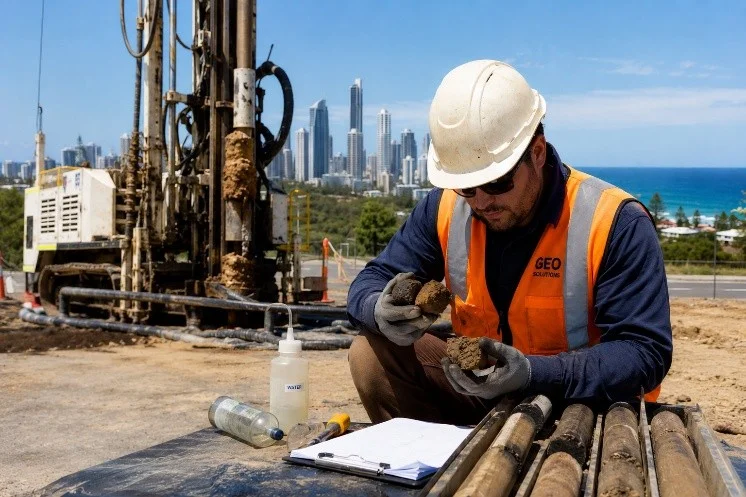
Building on the Gold Coast comes with unique challenges. The region’s diverse soil types—from coastal sands to reactive clays—can make or break your construction project. Before you lay a single brick, Soil Testing Gold Coast services give you the foundation knowledge you need.
This guide walks you through why soil testing matters, what happens during testing, and how it saves you money in the long run.
Why Soil Testing Matters for Gold Coast Properties
The Gold Coast sits on varied terrain. Your building site might have sandy soil near the coast, clay soils inland, or fill material from previous development. Each type behaves differently under load and moisture.
Without proper testing, you risk:
- Foundation failure – Weak soil can’t support your structure
- Costly repairs – Fixing foundation issues after construction is expensive
- Building delays – Council won’t approve plans without soil reports
- Safety hazards – Unstable ground puts occupants at risk
Geotechnical Soil Testing Gold Coast professionals identify these risks before construction starts. They analyse soil composition, bearing capacity, and how the ground will react to your building’s weight.
What Happens During Site Soil Investigation
When you book Site Soil Investigation Gold Coast services, technicians visit your property to collect samples and run tests. Here’s the typical process:
Step 1: Site Assessment Engineers walk your land, noting slopes, drainage, vegetation, and any existing structures. They check council records for past land use and geological maps.
Step 2: Soil Sampling Teams drill boreholes or dig test pits at strategic points across your site. Sample depth depends on your building type—shallow for single-story homes, deeper for multi-level structures.
Step 3: Laboratory Analysis Collected samples go to labs for detailed testing. Soil Analysis Gold Coast labs check:
- Soil classification – Is it clay, sand, silt, or mixed?
- Moisture content – How much water does the soil hold?
- Bearing capacity – What weight can the soil support per square meter?
- Reactivity – Will the soil expand or shrink with moisture changes?
Step 4: Engineering Report You receive a comprehensive report with test results, soil profiles, and foundation recommendations. This document is essential for your engineer and building certifier.
Types of Soil Tests You Might Need
Not all projects need the same tests. Your requirements depend on building size, soil conditions, and council regulations.
Standard Soil Tests:
- Classification tests – Basic soil type identification
- Compaction tests – Checking soil density for driveways and slabs
- Percolation tests – Measuring drainage for septic systems
Advanced Testing:
- Shear strength tests – For slopes or retaining walls
- Chemical analysis – Detecting contaminants or corrosive elements
- Consolidation tests – Predicting long-term settlement
Most residential projects on the Gold Coast need at least basic classification and bearing capacity tests. Commercial developments require more comprehensive Geotechnical Soil Testing Gold Coast services.
How Soil Testing Saves You Money
The upfront cost of Soil Testing Gold Coast services pays for itself many times over:
Accurate Foundation Design Your engineer designs foundations based on actual soil conditions, not guesswork. This prevents over-engineering (wasting money on unnecessary reinforcement) and under-engineering (risking structural failure).
Avoid Surprise Costs Finding poor soil after construction starts means expensive fixes. Early testing lets you address issues during the planning phase when solutions are cheaper.
Faster Approvals Council and certifiers need soil reports before issuing permits. Having professional test results ready speeds up the approval process.
Insurance Protection Some insurers require soil testing documentation. Proper testing can also lower premiums by demonstrating risk management.
Gold Coast Soil Challenges to Watch For
The region has specific soil issues that testing can identify:
Reactive Clay Soils Common in western Gold Coast suburbs, these clays expand when wet and shrink when dry. This movement cracks foundations without proper design. Site Soil Investigation Gold Coast teams test for reactivity and recommend appropriate footings.
Sandy Coastal Soils Beachside properties often have loose sandy soil with poor bearing capacity. Testing determines if you need deeper piles or ground improvement.
Fill Material Many Gold Coast sites have been filled or leveled. Fill can settle unevenly or contain unsuitable materials. Soil testing checks fill quality and compaction.
High Water Tables Low-lying areas may have groundwater close to the surface. This affects drainage design and basement construction. Testing reveals water table depth and seasonal variations.
Choosing the Right Soil Testing Service
Look for these qualities in a Soil Testing Gold Coast provider:
- NATA accreditation – Ensures testing meets Australian standards
- Local experience – Familiarity with Gold Coast soil conditions
- Fast turnaround – Reports delivered within your project timeline
- Clear communication – Easy-to-understand results and recommendations
- Competitive pricing – Transparent quotes with no hidden fees
Professional services include site visits, lab testing, engineering analysis, and detailed reports. Some companies offer package deals for residential projects.
When to Schedule Your Soil Testing
Timing matters for smooth project flow:
Before Purchasing Land If you’re buying a block, consider soil testing during the due diligence period. Poor soil conditions might affect the property value or your building plans.
During Planning Phase Schedule testing as soon as you decide to build. Engineers need soil reports to design foundations and get permits.
After Site Changes If you add fill, excavate, or significantly alter the land, new testing ensures the ground still meets requirements.
Most Soil Analysis Gold Coast projects take 1-2 weeks from site visit to final report, so plan accordingly.
What Your Soil Report Should Include
A professional report contains:
- Site location and testing dates
- Borehole or test pit locations
- Soil profile diagrams showing layers
- Laboratory test results
- Bearing capacity values
- Foundation recommendations
- Special considerations (drainage, reactivity, etc.)
Keep this report safe—you’ll need it for permits, engineers, builders, and future property sales.
Soil Testing Gold Coast isn’t just a regulatory checkbox. It’s the foundation of successful construction. Understanding your soil before building protects your investment, ensures safety, and prevents expensive surprises.
Whether you’re planning a home extension, new house, or commercial development, professional soil testing gives you confidence in your foundation design. The small upfront investment in proper Geotechnical Soil Testing Gold Coast services delivers peace of mind that lasts the lifetime of your building.
Ready to start your project, right? Contact qualified soil testing professionals who know the Gold Coast’s unique ground conditions.
Basic residential soil testing typically ranges from $800-$2,000 depending on site size and test depth required.
Most soil testing projects take 1-2 weeks from the initial site visit to receiving your detailed report.
Yes, council regulations require soil reports for building permits on the Gold Coast to ensure safe foundation design.
Engineers will recommend foundation solutions like deeper footings, piles, or ground improvement to suit the soil conditions.
Even small structures benefit from basic soil testing, though requirements vary—check with your local council for specific regulations.


