
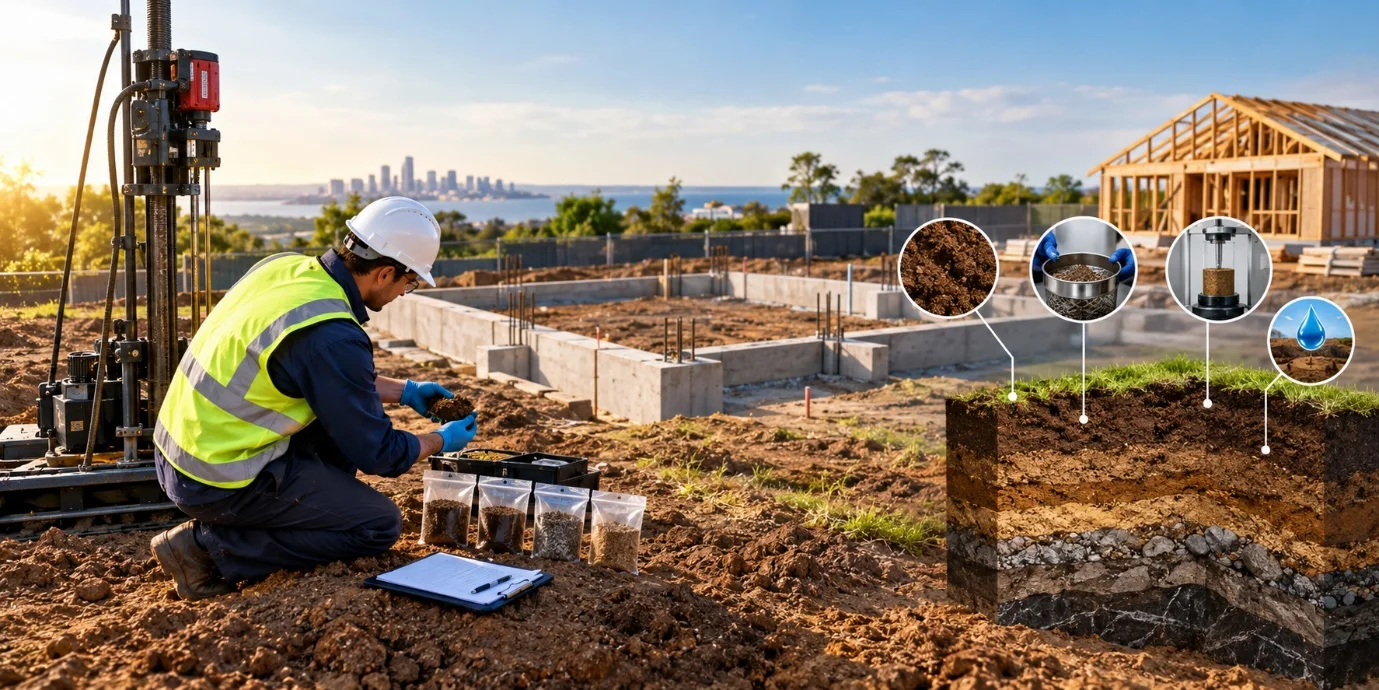
A strong building starts with the ground beneath it. Before construction begins, builders need to understand the type of soil, its strength, and its ability to support the planned structure. Without this information, even a well-designed building may face problems such as uneven settlement, foundation movement, or cracks in walls. Geotest Group provides soil testing services to help builders understand ground conditions and make informed construction decisions. This is why Soil Testing Gold Coast is an important step in planning safe and reliable construction projects.
Soil tests provide valuable information about ground conditions before excavation and foundation work begins. These results help engineers choose suitable foundation designs, reduce construction risks, and make informed decisions about site preparation. Whether you are planning a residential home, a commercial building, or an extension, understanding the soil is essential for building on a stable base.
Why Is Soil Testing Important Before Foundation Planning?
Every construction site has different ground conditions. Some sites have firm soil that can support heavy loads, while others contain loose sand, soft clay, fill material, or moisture-sensitive soil. These differences affect how a foundation should be designed.
Professional soil testing helps identify the characteristics of the ground before construction starts. It can reveal potential problems that may not be visible from the surface. With accurate soil information, engineers can select appropriate foundation types and determine whether additional ground preparation is required.
For property owners and builders, early testing can also help reduce unexpected expenses, construction delays, and the risk of future structural issues.
How Does Foundation Soil Testing Support Strong Foundations?
Foundation Soil Testing helps engineers understand the physical properties of the soil that will support a building. Depending on the site and project requirements, testing may examine soil composition, moisture content, density, strength, and other relevant characteristics.
These findings help determine whether the existing ground is suitable for the proposed structure. If the soil is weak or inconsistent, engineers may recommend changes to the foundation design or improvements to the ground before construction begins.
For example, a site with soft clay may require a different foundation approach from one with dense, stable soil. By understanding these differences early, builders can make decisions based on actual site conditions rather than assumptions.
How Does Soil Stability Testing Identify Ground Risks?
Soil Stability Testing helps assess how well the ground can maintain its strength and support under different conditions. Soil can behave differently depending on its composition, moisture levels, drainage, and exposure to changing weather.
Some soils expand when they absorb water and shrink during dry periods. This movement can place stress on foundations and contribute to cracking or uneven settlement. Other soils may be loose or poorly compacted, making them less suitable for supporting certain structures.
Testing helps identify relevant ground conditions so that engineers can assess potential risks and recommend suitable construction methods. Proper drainage, ground preparation, and an appropriate foundation design may help manage these challenges.
Why Is Soil Bearing Capacity Testing Necessary?
Soil Bearing Capacity Testing helps engineers assess how much load the ground can safely support without unacceptable settlement or failure. This information is essential when planning the size, depth, and type of foundation for a building.
A foundation must transfer the building’s weight into the ground safely. If the supporting soil cannot handle the expected load, the structure may experience excessive settlement or other foundation-related problems.
The results of bearing capacity assessments help engineers determine whether a shallow foundation, deeper foundation, or another suitable solution should be considered. The final decision depends on the soil conditions, building design, structural loads, and applicable engineering requirements.
How Does Ground Testing for Construction Improve Site Preparation?
Ground Testing For Construction provides information that helps builders prepare a site before laying foundations. Testing may identify unsuitable fill, weak soil layers, variations in ground conditions, or other issues that need further assessment.
Based on the findings, the project team may need to remove unsuitable material, improve compaction, manage groundwater, or investigate deeper soil layers. These steps can help create more consistent ground conditions for foundation construction.
Early testing also supports better project planning. Builders can identify possible challenges before major work begins, helping them organise equipment, materials, labour, and construction schedules more effectively.
How Does a Soil Test for Building Foundations Help Reduce Future Problems?
A Soil Test For Building Foundations helps identify conditions that could affect the long-term performance of a structure. Foundation problems can be expensive to investigate and repair, particularly when they develop after a building has been completed.
Soil information helps engineers design foundations that respond appropriately to the site’s ground conditions and expected structural loads. It can also guide decisions about drainage, earthworks, and other measures that may reduce the likelihood of ground-related issues.
However, soil testing does not guarantee that foundation problems will never occur. Good results must be combined with suitable engineering design, proper construction practices, and effective site drainage.
Why Choose Geotest Group for Soil Testing?
Choosing an experienced soil testing provider can help property owners, builders, and developers obtain useful information before construction begins. Geotest Group provides soil testing services to support construction planning and help clients understand the ground conditions at their sites.
For projects requiring Soil Testing Gold Coast, arranging the appropriate assessment early can help identify potential ground concerns and provide information for foundation planning. The required testing will depend on the site, the proposed structure, and the recommendations of the relevant engineering professionals.
A strong foundation begins with a clear understanding of the soil beneath a building. Soil testing helps identify ground conditions, assess bearing capacity, and highlight potential risks before construction starts. These findings allow engineers and builders to plan suitable foundations and prepare the site more effectively.
Whether you are building a new home or developing a commercial property, Soil Testing Gold Coast can provide important information for safer and more informed foundation planning. Working with Geotest Group and qualified engineering professionals can help you take the right steps towards a stable and reliable structure.
Soil testing identifies ground conditions and helps engineers select a suitable foundation design.
It may assess soil composition, moisture, density, strength, and other site-specific properties.
It helps determine how much load the ground can support and guides foundation design.
It can identify potential ground risks, helping engineers reduce the likelihood of foundation movement and cracking.
Soil testing should generally be arranged before foundation design is finalised and construction begins.
