
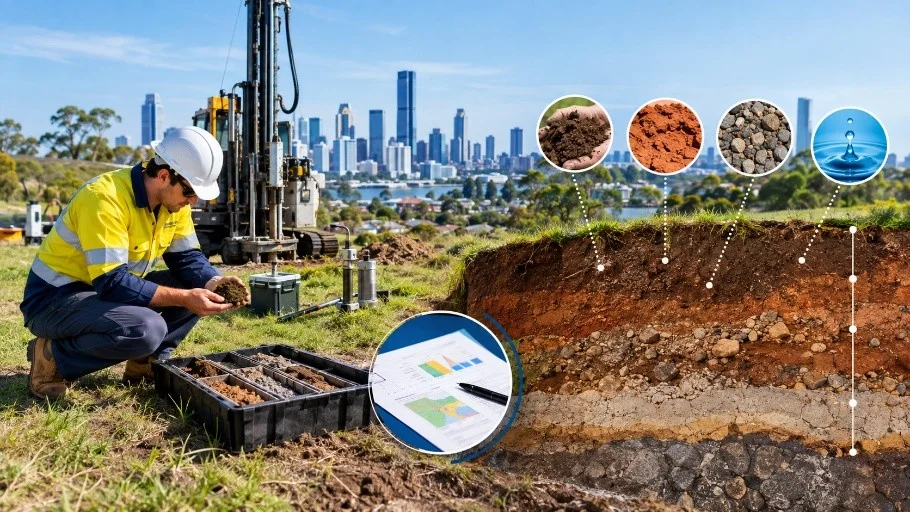
Before building a home, commercial property or other structure, it is important to understand what is beneath the surface. A block of land may look firm and suitable for construction, but the soil underneath can have different layers, moisture conditions and strength characteristics. Soil Testing Brisbane helps property owners, builders and engineers understand these conditions before important construction decisions are made.
A professional soil investigation can reveal information about soil type, reactivity, bearing characteristics, moisture, compaction, fill and other ground conditions. This information can help determine how the land may respond to construction and whether additional investigation or specific foundation considerations may be needed.
What Does Soil Testing Brisbane Actually Examine?
The ground beneath a property is rarely uniform from the surface down. Different layers can have different engineering properties. During Brisbane Soil Testing, suitable field testing and sampling methods can be used to investigate the ground at selected locations.
Depending on the project, testing may provide information about:
- Soil type and composition
- Soil strength and bearing characteristics
- Soil reactivity
- Moisture conditions
- Soil density and compaction
- Potential settlement
- Fill or disturbed ground
- Groundwater conditions
- Slope and ground stability
The exact testing program depends on the property, proposed construction and site conditions.
1. Soil Type and Ground Layers
One of the first things a Soil Investigation Brisbane assessment can reveal is what materials exist below the surface.
A site may contain clay, sand, silt, gravel, weathered material or fill. These materials can behave differently when exposed to building loads or changing moisture conditions.
Knowing the soil profile helps engineers understand the ground supporting the proposed structure rather than relying only on what can be seen at the surface.
2. Soil Reactivity and Potential Ground Movement
Soil reactivity is an important consideration for many residential construction projects. Some clay soils can expand when they absorb moisture and shrink as they dry.
Repeated changes in soil moisture can contribute to ground movement. Site classification considers the potential for movement associated with moisture changes, with classifications ranging from relatively stable sites through highly or extremely reactive conditions.
Foundation Soil Testing Brisbane can therefore provide valuable information for engineers when considering foundation and slab requirements.
3. Ground Strength and Bearing Conditions
A building transfers its weight through the foundation and into the ground. The strength and condition of the soil can therefore influence foundation planning.
Appropriate Geotechnical Testing Brisbane may help identify whether the ground has suitable characteristics for the proposed development or whether further assessment is necessary.
Understanding bearing conditions before construction can help the project team make informed decisions rather than discovering unexpected ground conditions after construction has started.
4. Moisture Conditions
Water and moisture can have a significant influence on certain soils. Changes in moisture may affect reactive clay, while excessive water can contribute to soft or unstable ground conditions.
A professional investigation can provide information about relevant moisture conditions and other factors that may influence soil behaviour.
This is particularly useful when planning foundations, drainage, excavation and site preparation.
5. Fill and Previously Disturbed Ground
Not every property consists entirely of natural soil. Previous earthworks, levelling, landscaping or development may have introduced fill material.
Pre-Construction Soil Testing Brisbane can help identify conditions that may require additional consideration. Poorly compacted or uncontrolled fill can behave differently from properly prepared natural ground.
Finding this information before construction gives engineers an opportunity to assess the situation and recommend appropriate measures where required.
6. Potential Settlement
Another important consideration is how the ground may respond when construction loads are applied.
Weak, loose or compressible materials may require additional investigation because settlement can affect structures if the ground does not perform as expected.
A suitable Soil Testing Services Brisbane investigation can provide useful ground information that contributes to construction planning and engineering assessment.
7. Site Classification Information
For many residential projects, understanding the site’s classification is an important part of foundation planning. The National Construction Code references AS 2870 for classification of foundation sites.
A Soil Report Brisbane may document relevant findings from the investigation and provide information that can be considered by the project’s engineer or building professional.
Site classification should be based on the actual conditions of the property rather than assumptions about nearby land.
Why Should You Test Your Land Before Building?
Two properties in the same suburb can have different ground conditions. Previous earthworks, drainage, geology, filling and changes in soil layers can all influence what exists beneath an individual site.
This is why relying on a neighbour’s soil report or assuming that every block has identical ground conditions may not provide enough information for a new project.
Soil Testing Brisbane provides site-specific information that can help reduce uncertainty before foundations and construction work are finalised.
Early investigation may help the project team identify potential ground-related issues before they become more difficult or expensive to address.
What Happens After Soil Testing?
After field investigation and any required laboratory testing, the collected information is assessed and documented. Depending on the scope of the project, the resulting report may include soil characteristics, test results, site classification information and relevant observations.
The findings can then be considered by engineers, builders and other project professionals when planning foundations, earthworks, drainage and construction methods.
GeoTest Group provides soil testing and geotechnical services across Brisbane and South East Queensland, including soil reports, DCP testing and site classification services.
Make Better Decisions with Professional Soil Testing
The appearance of a block does not always tell the complete story. Soil conditions beneath the surface can influence foundation design, site preparation and long-term construction performance.
Professional Soil Testing Brisbane gives you a clearer understanding of what lies beneath your land before construction begins. By identifying soil characteristics, reactivity, strength, moisture and other relevant conditions, testing can help your project team make decisions based on actual site information.
If you are preparing to build a home, extension, commercial property or other structure, arranging a suitable soil investigation early can be a practical step toward better-informed construction planning.
It can reveal soil type, reactivity, strength, moisture conditions, fill, density and other ground characteristics relevant to construction.
Yes, appropriate testing can assess soil characteristics and help determine the site’s potential for moisture-related ground movement.
A soil report documents relevant investigation findings and provides useful information for engineers and builders during project planning.
It is generally best to arrange testing during the early planning stage, before foundation and construction decisions are finalised.
No, ground conditions can vary between properties because of geology, previous earthworks, drainage, filling and other site-specific factors.


