
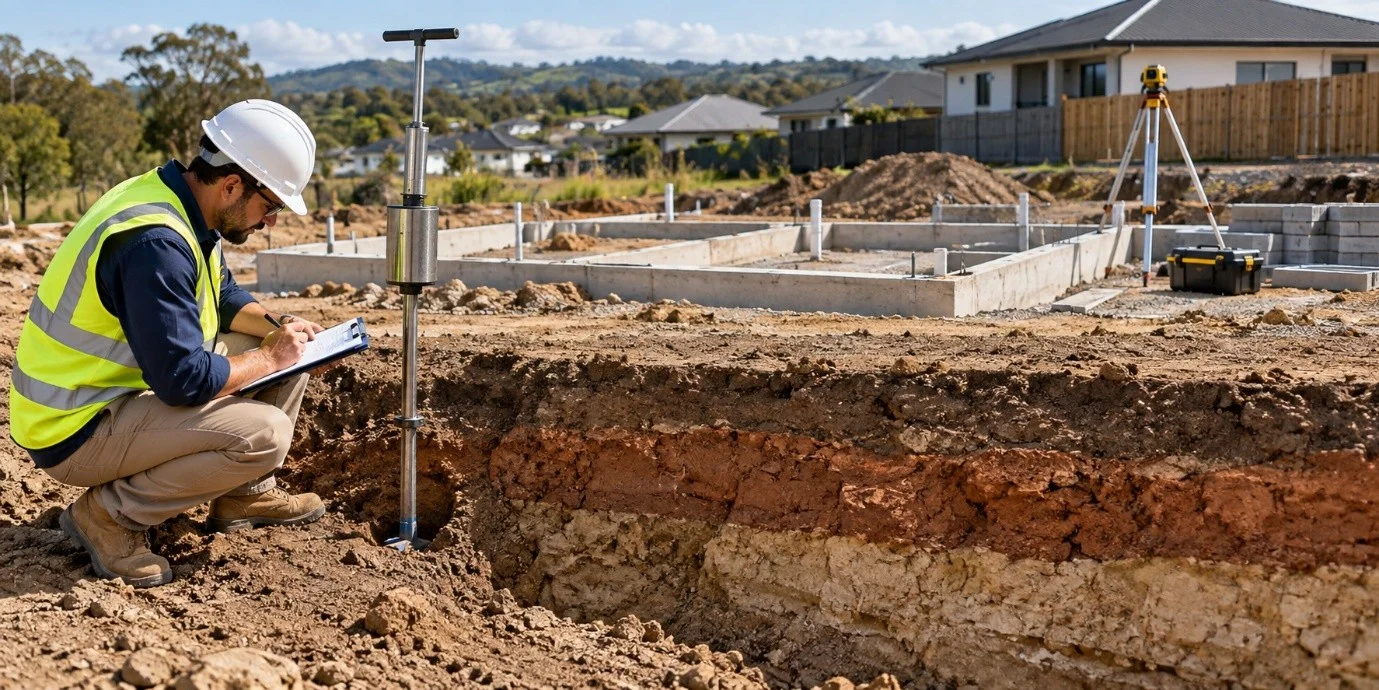
Before starting a building project, it is important to understand the ground that will support the structure. Soil Testing in Logan can provide valuable information about soil conditions, strength, moisture behaviour and possible movement beneath a proposed building. GeoTest Group helps property owners, builders and engineers obtain useful ground information before foundation construction begins.
A building foundation is responsible for transferring structural loads into the ground. However, not every site has the same soil characteristics. Some areas may contain firm and stable ground, while others may have clay, loose soil, fill or layers with different properties. Understanding these conditions early can support more informed decisions during the planning and construction process.
Why Is Soil Testing Important Before Foundation Work?
The ground beneath a building plays an important role in how its foundation performs. Soil that appears firm at the surface may have different characteristics at greater depths. Without proper investigation, these changes may not be identified until construction is already underway.
Soil Testing in Logan helps provide site-specific information about the ground. The results can assist engineers in assessing factors such as soil strength, soil classification, moisture conditions and potential movement.
This information is particularly useful during Foundation Planning, because foundation requirements should be based on the actual conditions found at the site rather than assumptions.
How Does Soil Strength Affect Foundation Planning?
Soil Strength is one of the important factors considered when planning a foundation. The foundation needs to transfer the weight of the building safely into the supporting ground.
If the soil has sufficient strength, it may provide appropriate support for the proposed structure. However, weaker or variable ground conditions may require additional engineering consideration.
Soil testing can provide information about the characteristics of the ground at different locations and depths. Engineers can then use the available results when assessing foundation requirements for the proposed building.
Can Soil Testing Identify Different Soil Layers?
Yes, soil conditions can change with depth, making the identification of different layers useful for foundation planning.
A site may contain topsoil near the surface followed by clay, sand, weathered material, rock or fill. These materials can behave differently when subjected to building loads or changes in moisture.
A professional Soil Investigation can help identify relevant ground conditions and provide information about the soil profile. This allows the project team to better understand what lies beneath the proposed building area.
Knowing the soil profile before construction can also help identify whether additional investigation or site preparation may be required.
Can Soil Testing Help Identify Ground Movement Risks?
Ground movement can be an important consideration when planning foundations. Certain soils, particularly reactive clay soils, can change volume when their moisture content changes.
During periods of wet and dry conditions, some soils may expand or shrink. If this movement is significant, it can affect structures that are not appropriately designed for the site conditions.
Ground Movement is therefore an important factor that engineers may consider when reviewing soil test results. Testing can provide information about relevant soil characteristics and help engineers account for potential movement when developing the foundation design.
How Does Moisture Affect Soil Behaviour?
Moisture conditions can influence the way certain soils behave beneath a building. Changes in water content may affect soil volume, strength and stability depending on the type of soil present.
For example, some clay soils can respond noticeably to changes in moisture. Poor drainage, landscaping changes, leaks or natural seasonal variations may also influence moisture conditions around a foundation.
Understanding the soil’s characteristics can therefore form an important part of Foundation Design. Engineers can consider the available site information alongside the proposed building and other relevant factors.
Can Soil Testing Help with Foundation Design?
Soil testing itself does not determine the complete foundation design. Instead, it provides ground information that qualified engineers can use as part of their design assessment.
The engineer may consider soil characteristics, building loads, site conditions and applicable construction requirements when developing the appropriate foundation solution.
Good Foundation Design begins with understanding the conditions that the foundation will need to work with. A site investigation can therefore provide useful supporting information before engineering decisions are finalised.
What Happens If Soil Conditions Are Unexpected?
Unexpected ground conditions can create challenges during construction. For example, excavation may reveal weaker material, uncontrolled fill or soil layers that differ from initial expectations.
When these conditions are discovered late, the project team may need to review construction methods or seek additional engineering advice. Depending on the situation, this could affect construction time and costs.
Carrying out Soil Testing in Logan during the planning stage provides an opportunity to identify relevant ground conditions earlier. While testing cannot remove every construction risk, it can reduce uncertainty by providing information about the site before foundation work begins.
Is Soil Testing Useful for Residential Construction?
Soil testing can be relevant to residential construction as well as other types of development. Even a residential building needs a foundation that is suitable for the ground conditions and proposed structural loads.
The appropriate investigation will depend on the individual site, proposed building and engineering requirements. A qualified professional can advise on the testing needed for a particular project.
For homeowners and builders, obtaining soil information early can make discussions with engineers and construction professionals more productive. It can also help the project team understand whether particular ground conditions need to be considered during planning.
How Can Soil Investigation Support Better Planning?
A Soil Investigation provides an opportunity to understand the ground before construction begins. Instead of relying only on surface observations, the investigation can provide information about conditions beneath the proposed building area.
The results may help identify soil layers, strength characteristics and other factors relevant to the foundation. Engineers can then consider this information alongside the building plans.
This early understanding can support more informed Foundation Planning and help reduce surprises once excavation and construction begin.
Why Is Site-Specific Testing Important?
Soil conditions can vary from one property to another. Even sites located within the same general area may have differences in soil composition, fill, moisture conditions and ground strength.
For this reason, assumptions about nearby properties should not automatically be applied to a new building site. Site-specific Soil Testing in Logan provides information based on the actual ground investigated.
This can give engineers and builders a clearer understanding of the conditions they need to consider for the proposed project.
How GeoTest Group Can Help
GeoTest Group provides professional soil testing and geotechnical services to support construction and development projects. Testing can provide useful information about the ground so property owners, builders and engineers can make informed decisions.
For a project requiring Soil Testing in Logan, arranging an investigation during the early planning stage can provide valuable information before foundation construction starts.
The testing results can support discussions around Foundation Planning, Foundation Design, Soil Strength and potential Ground Movement, depending on the requirements of the site.
Plan Your Foundation with Better Ground Information
A strong foundation starts with an understanding of the ground beneath it. Soil Testing in Logan can provide important information about soil strength, soil layers, moisture behaviour and potential ground movement.
By investigating the site before construction, property owners and project professionals can identify relevant ground conditions earlier and provide engineers with useful information for foundation planning. This can help reduce uncertainty and support a more informed approach to foundation design.
GeoTest Group can assist with professional soil testing for construction and development projects in Logan. If you are preparing for a new building project, consider arranging a site-specific soil investigation before foundation work begins.
Yes, it provides site-specific soil information that engineers can consider when planning suitable foundations.
A soil investigation can assess soil layers, strength, moisture conditions and other relevant ground characteristics.
Soil strength helps engineers understand how the ground may respond to the loads transferred by a building.
Yes, testing can identify soil characteristics that may indicate potential movement caused by changes in moisture.
Yes, it can provide valuable ground information for engineers when planning foundations for residential buildings.
